Downtown St. George: Repairing and Matching Older Plaster
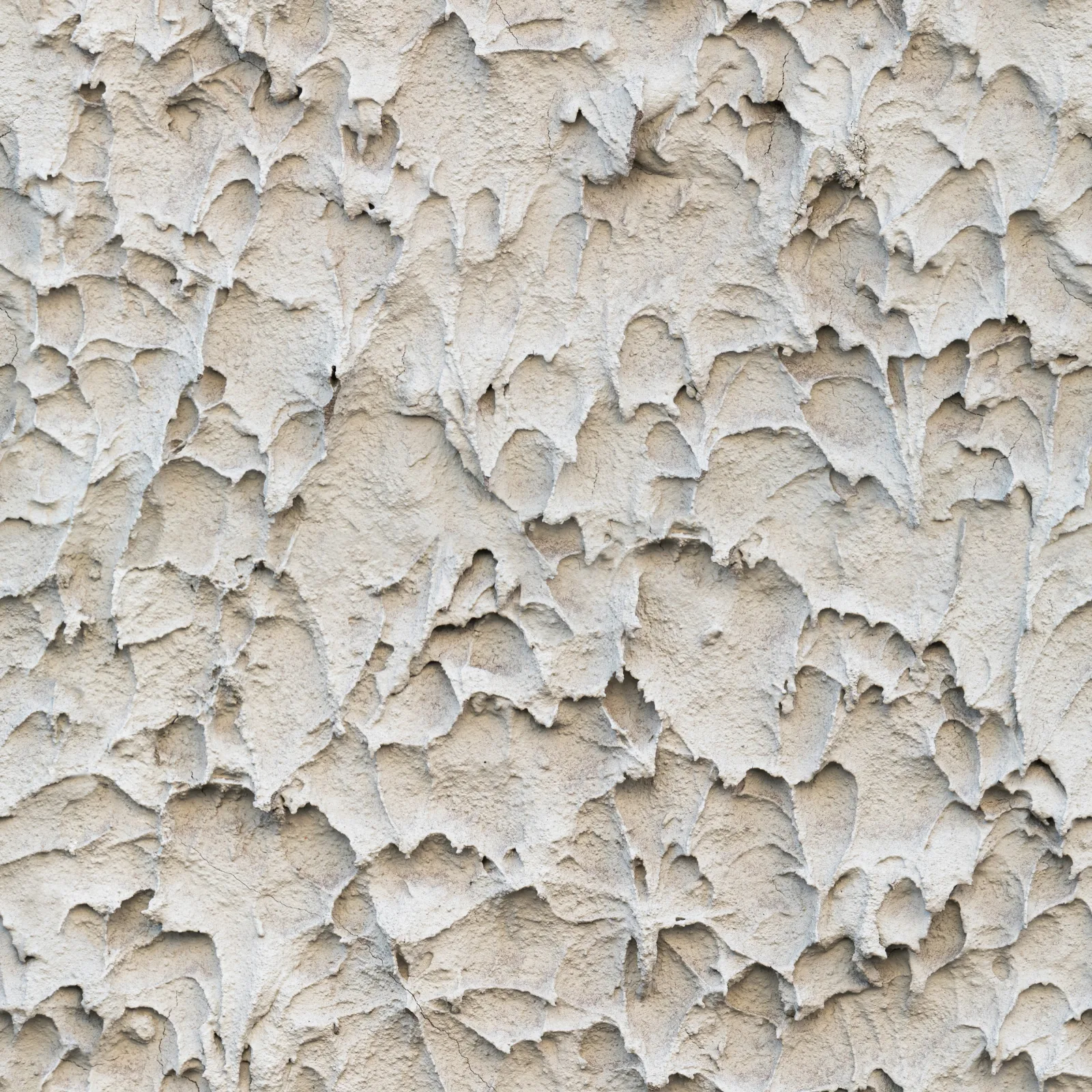
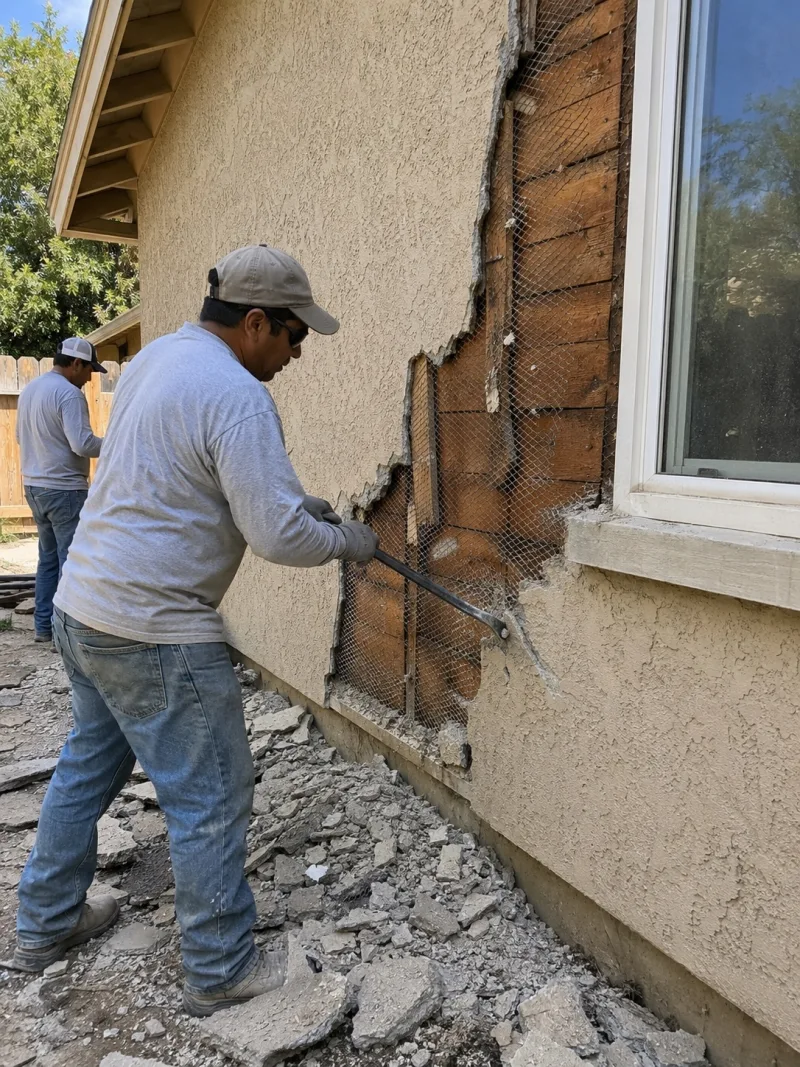
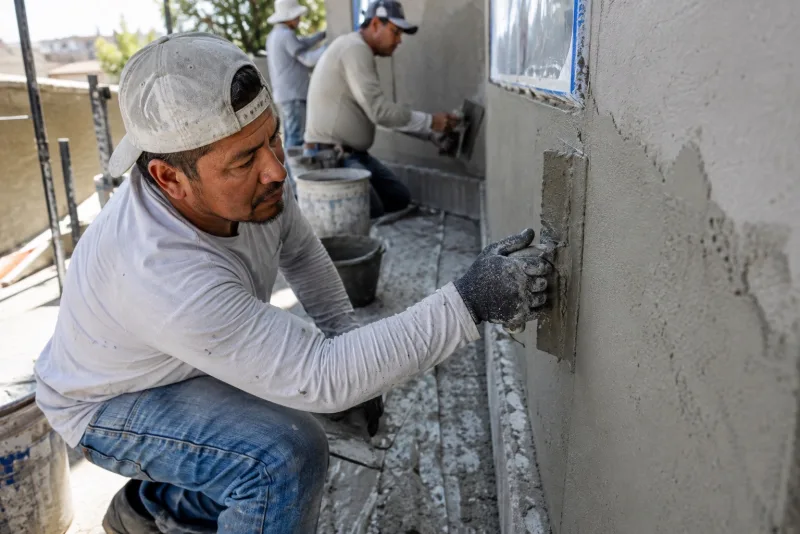
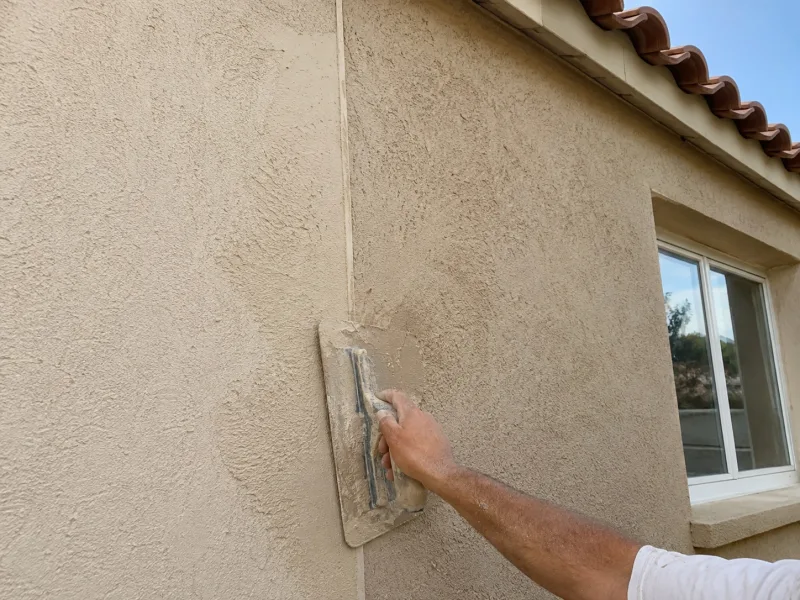
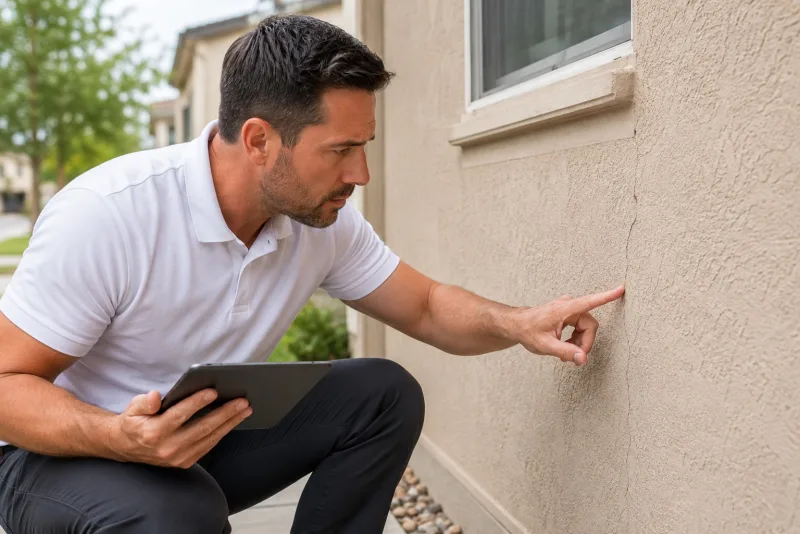
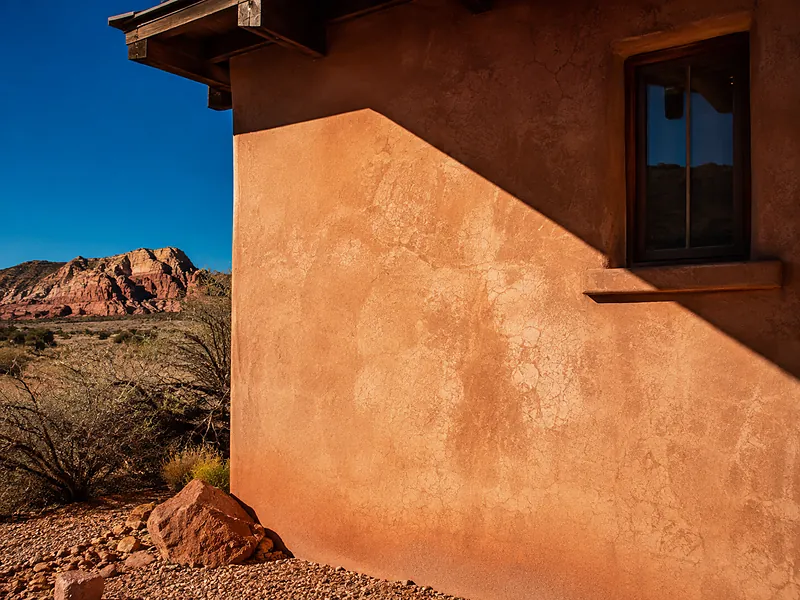
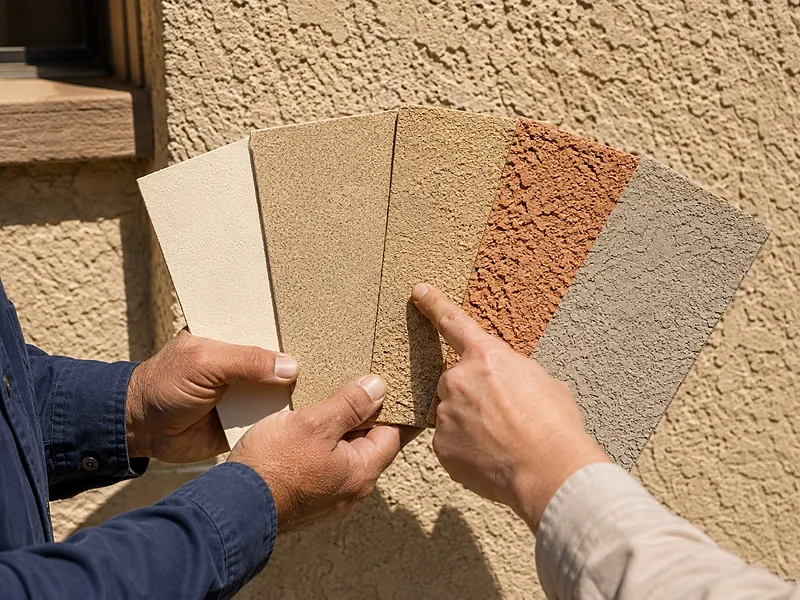
Downtown St. George includes the city's original grid around Town Square Park, and the oldest plaster in the city is found there. Stucco repair in that setting means cutting out loose or cracked material, rebuilding the patch, and blending the edge into plaster that has already weathered. We match sand and color from the wall in front of us because older plaster changes after years of sun, dust, and repairs.
Bloomington and Bloomington Hills: Recoating Sun-Faded Finishes
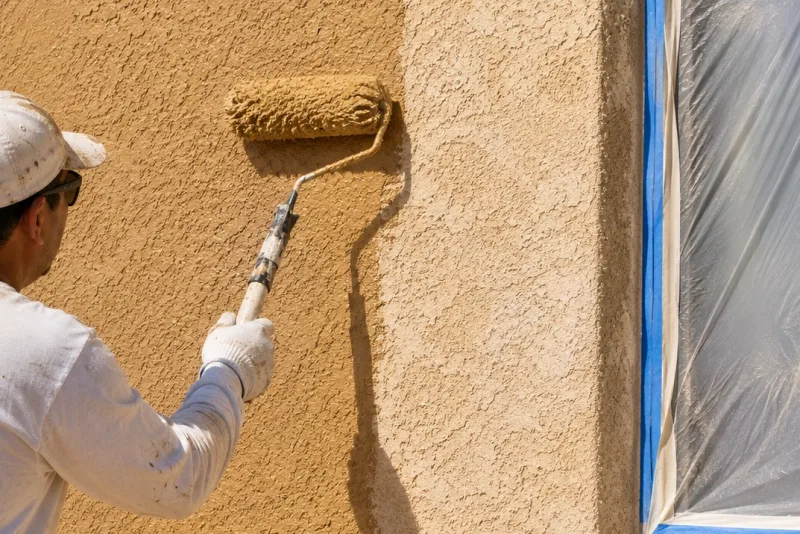
Bloomington and Bloomington Hills have been part of St. George long enough for many exterior finishes to show years of full sun. Stucco resurfacing in those areas means cleaning and preparing sound plaster, then putting a fresh surface over the wall so the color and face read evenly again. When the base still holds, your wall can receive renewal work before damage reaches the deeper layers.
Desert Color: First Coats on New Walls
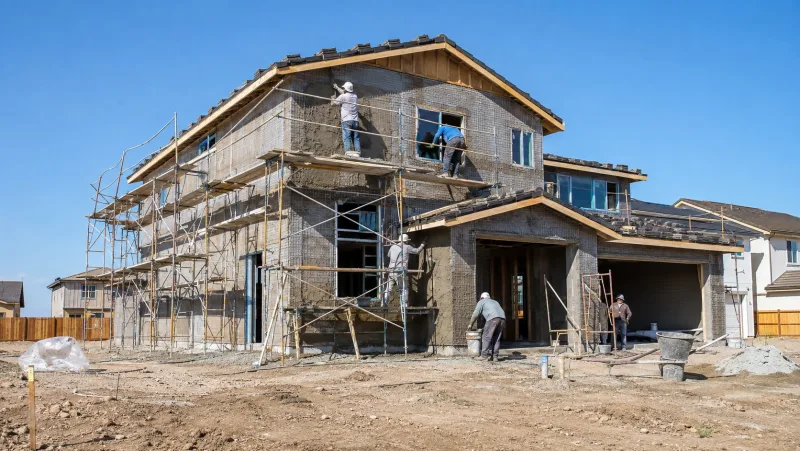
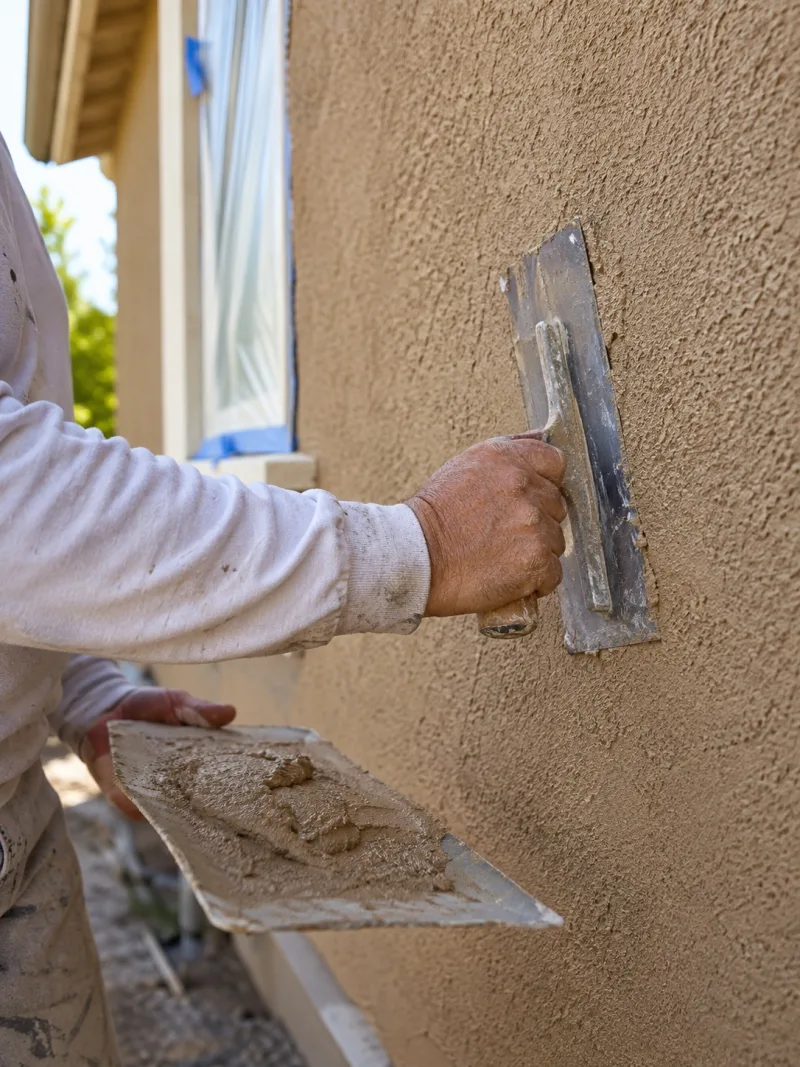
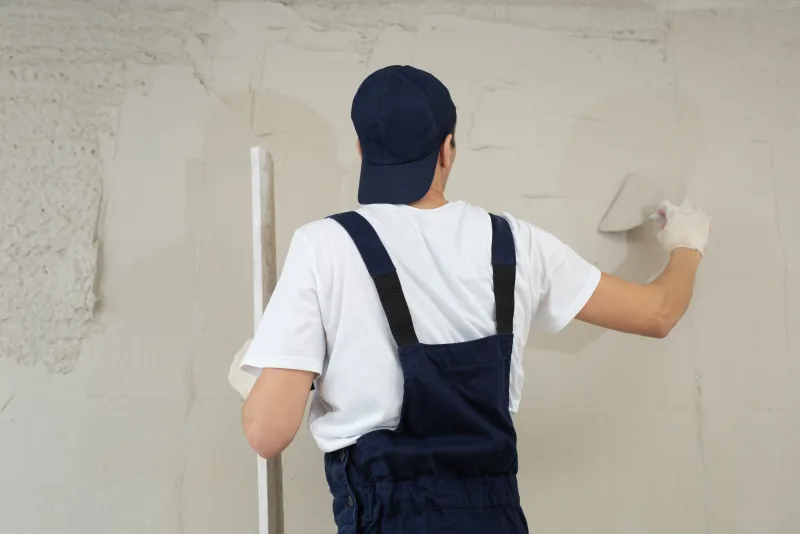
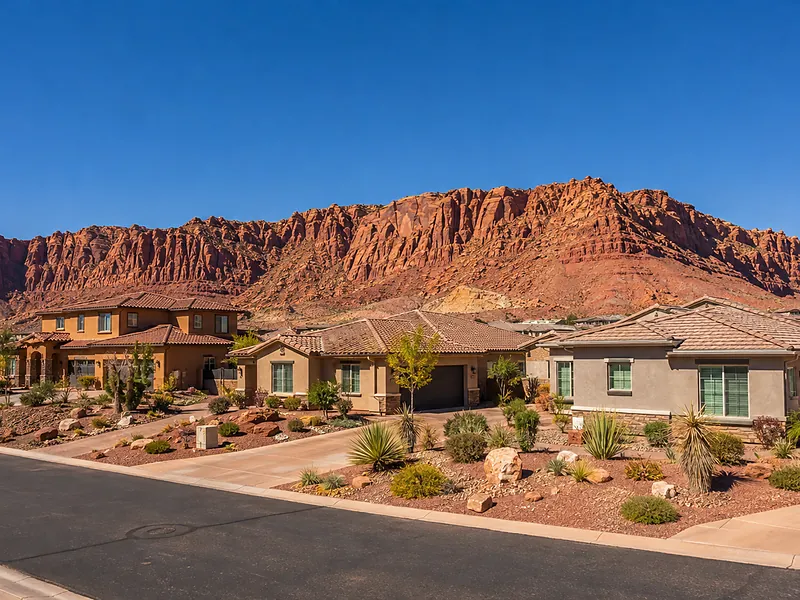
Desert Color has newer development work, so new construction stucco there means first coats on walls that have never been plastered. Before crews install hardscape, the fixed paving, walls, and yard surfaces, and before planting fills the lot, we have more open site access. That room lets us place lath, material drops, and equipment before the yard tightens around the house.
The Ledges: Detail Work on Custom Elevations
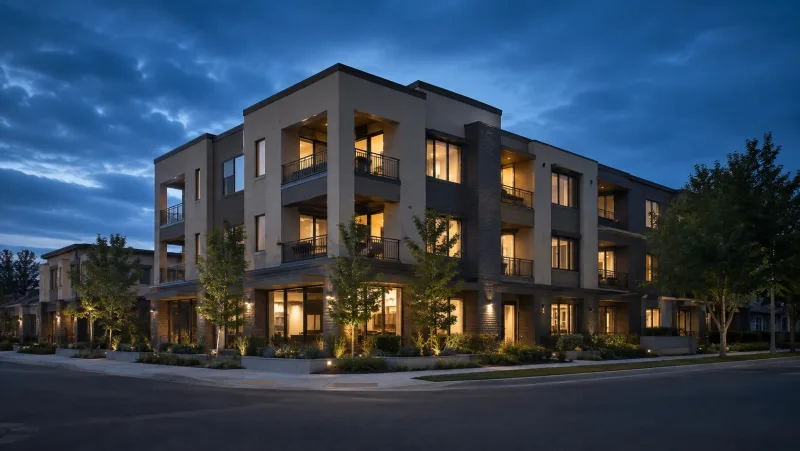
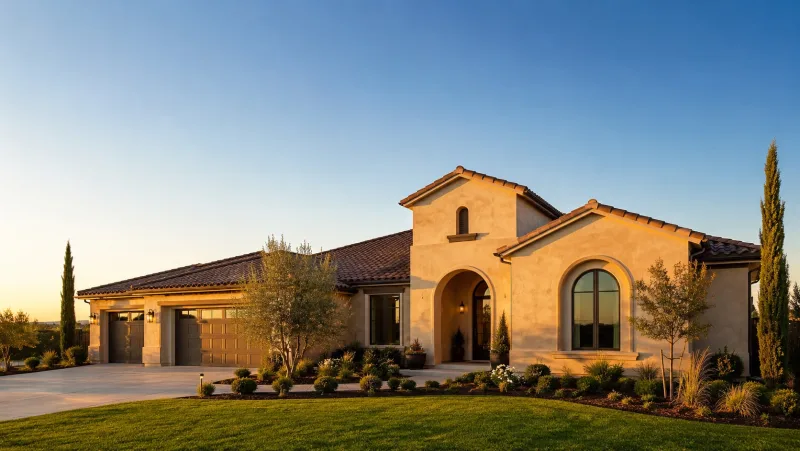
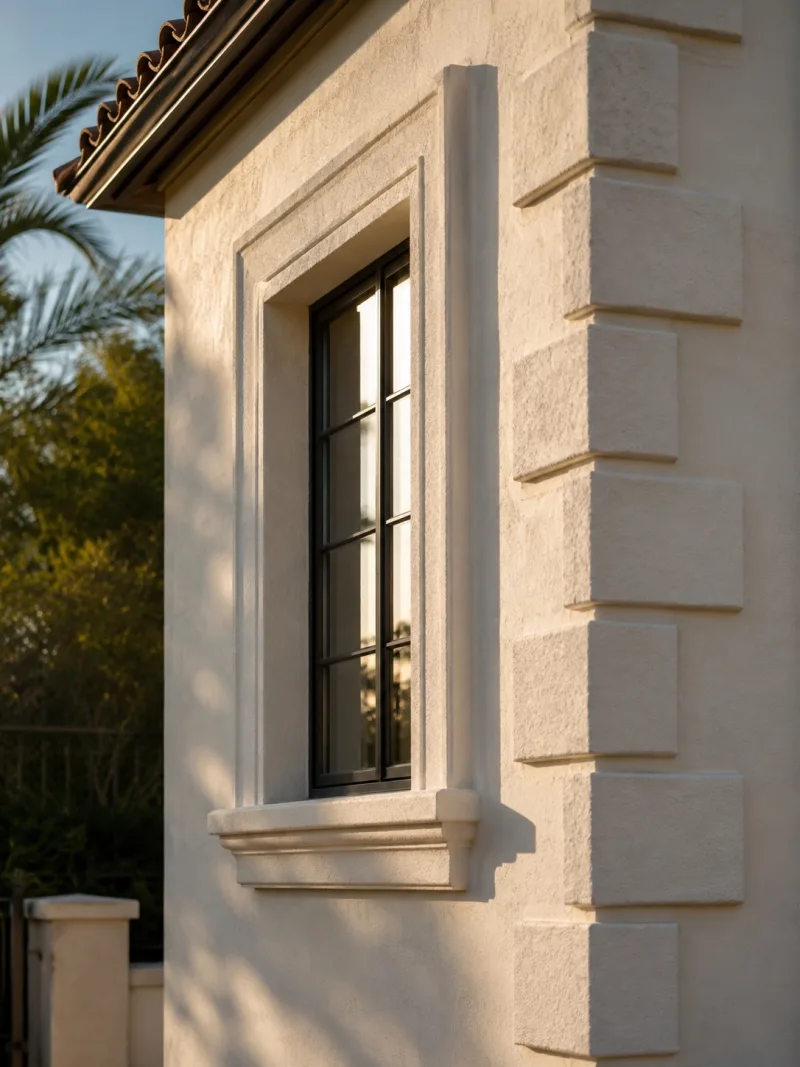
The Ledges is a golf neighborhood, and custom houses there often put more labor into trim than into plain wall. Decorative stucco on those elevations gives shape to window and door openings, columns, bands, and entry features. We have to form those pieces cleanly because uneven trim draws the eye faster than a small flaw on an open wall surface.
Green Valley and Dixie Downs: Block and Property Walls
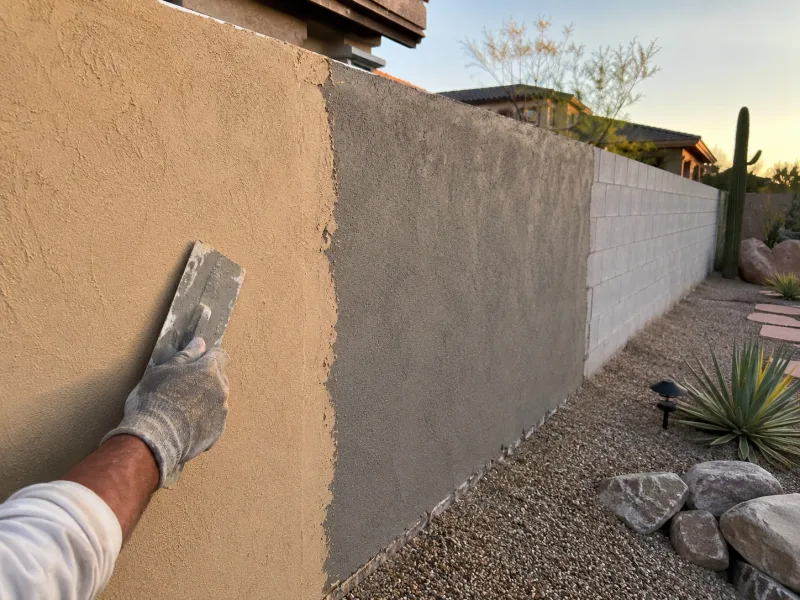
Green Valley and Dixie Downs are established areas where the stucco work is often outside the house wall itself. Here the walls between lots are block, and block wall stucco on them weathers differently from the house behind: both faces see sun, and there is no roof edge above to shed rain. We coat the wall as a freestanding surface, with both sides and the top edge planned as exposed faces.