Where Washington Elite Stucco Works in Pine Valley, UT
The county's community plan names four areas in Pine Valley, and stucco siding work is not the same in all of them. Pine Valley Ranchos, the original town site, the east end, and the meadows along the Santa Clara River each put a different question first when you ask us to look at a wall.
Pine Valley Ranchos: New Plaster on the West Side of the Valley
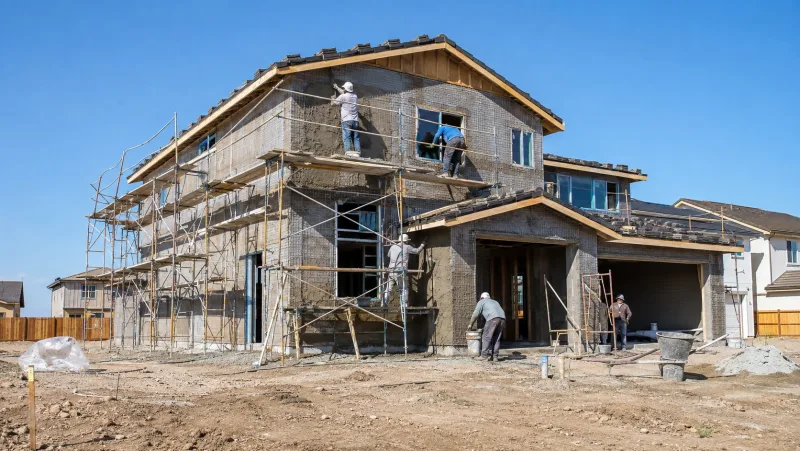
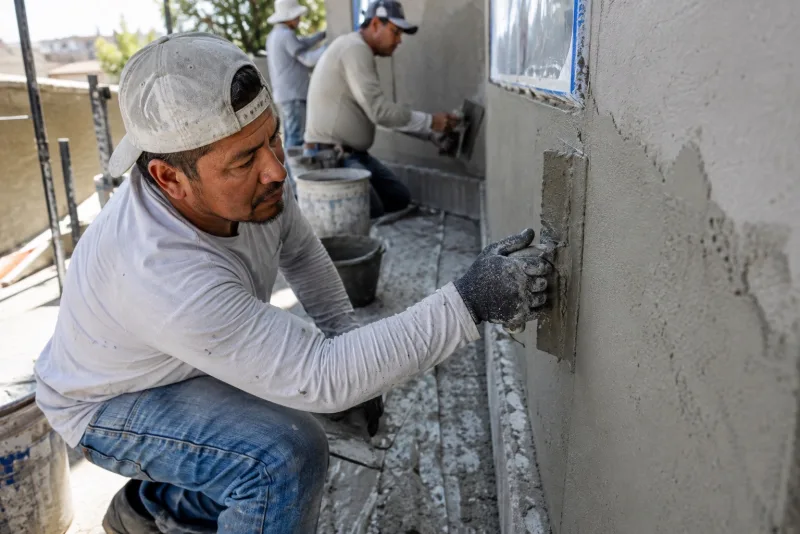
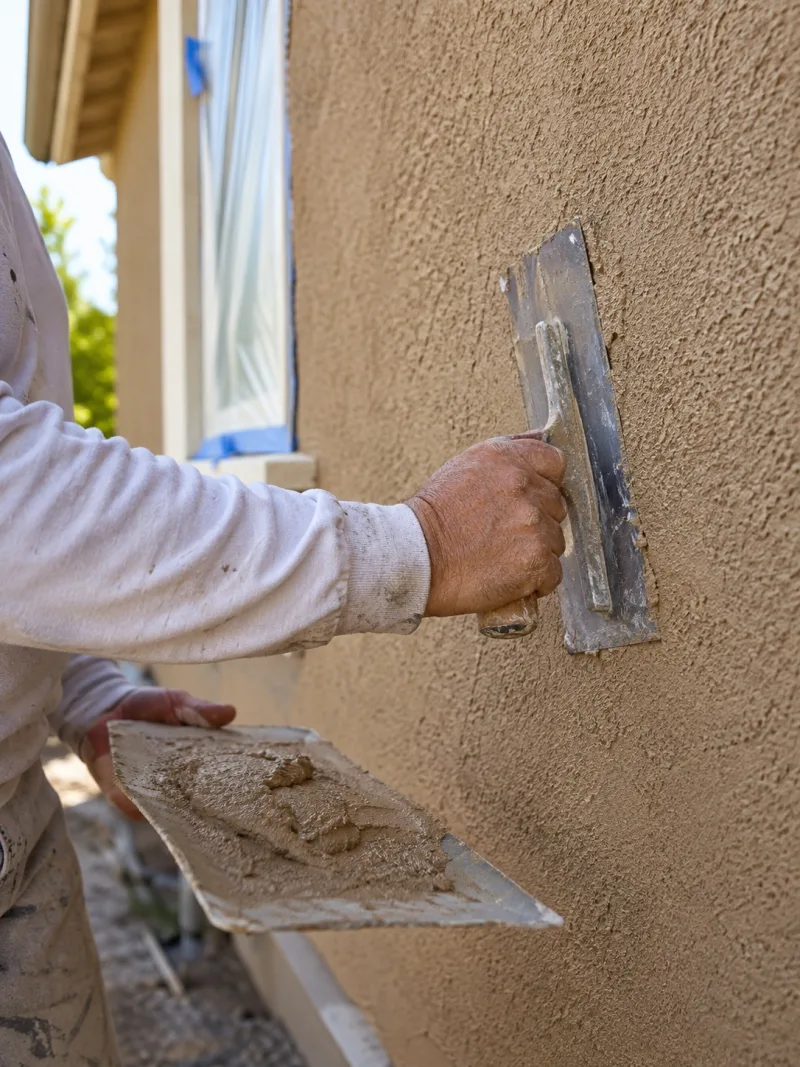
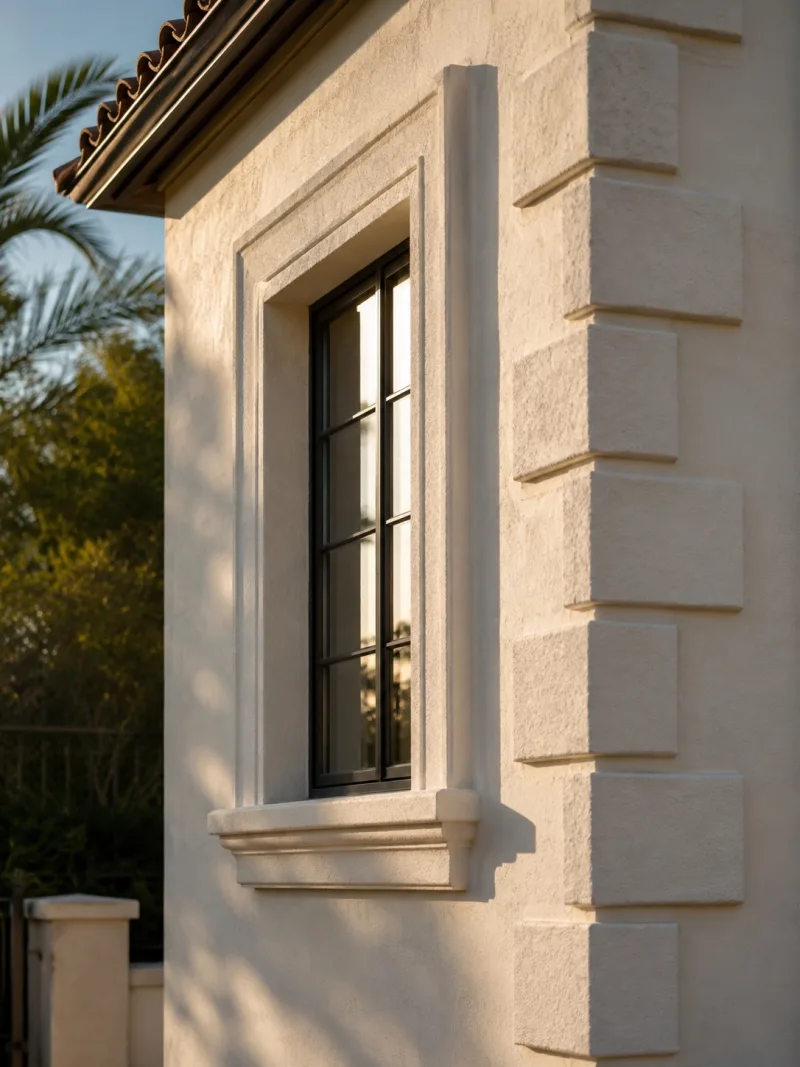
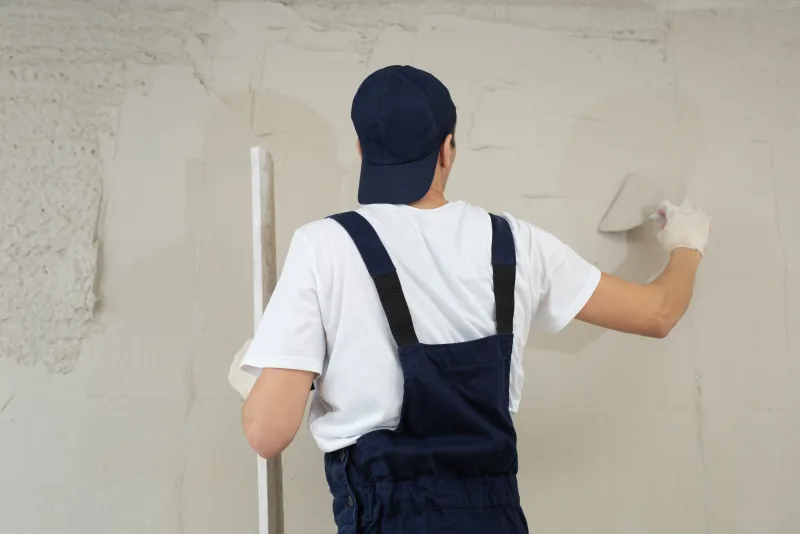
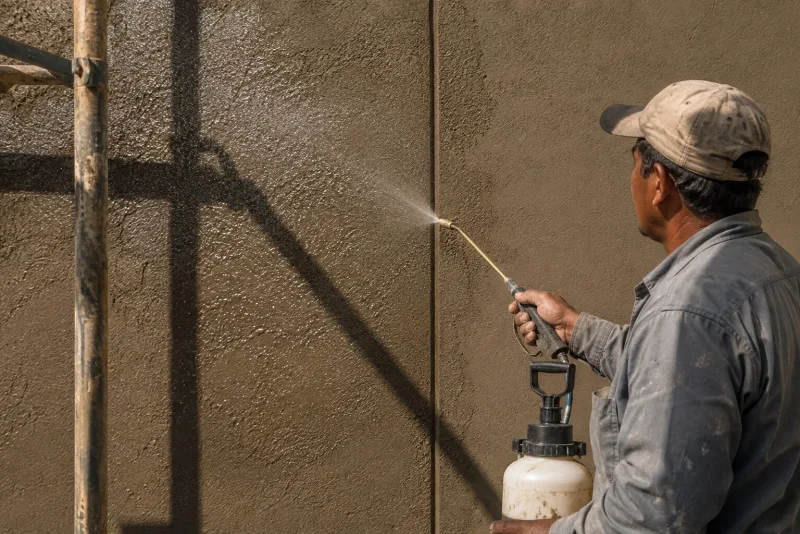
Pine Valley Ranchos is the west area of the valley, one of the residential areas named in the county plan. We prepare a wall for its first stucco surface by establishing a firm base, adding the barrier that keeps water out, attaching lath to hold the plaster, and applying the plaster coats that form the new exterior. We check the wood sheathing type and whether a water-resistive barrier is present before quoting plaster over existing cladding.
The Original Town Site: Recoating Walls in the Old Center
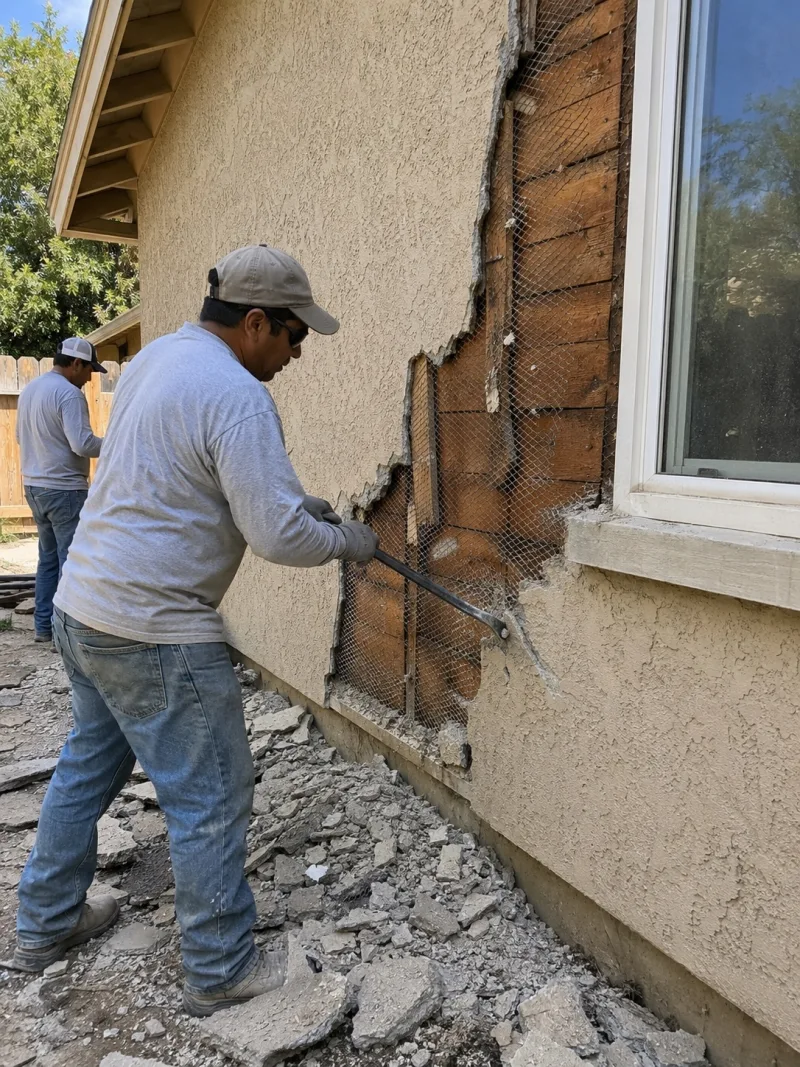
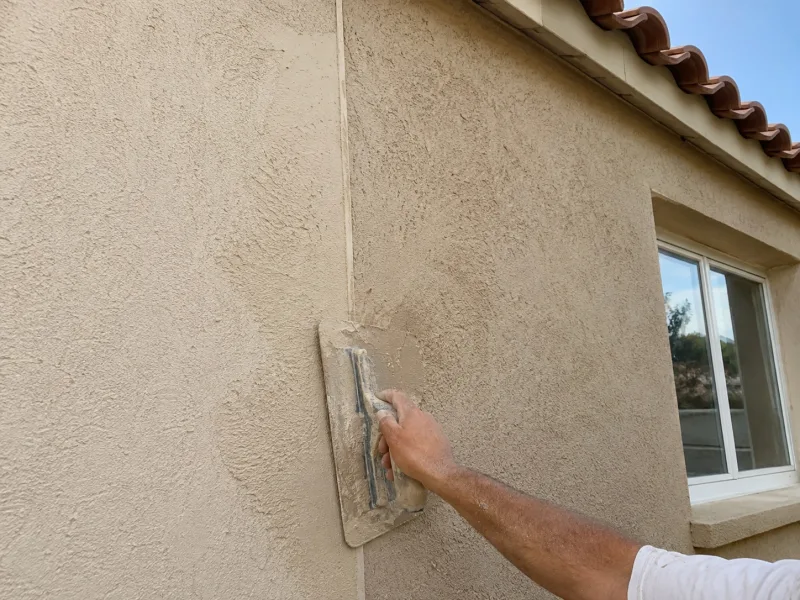
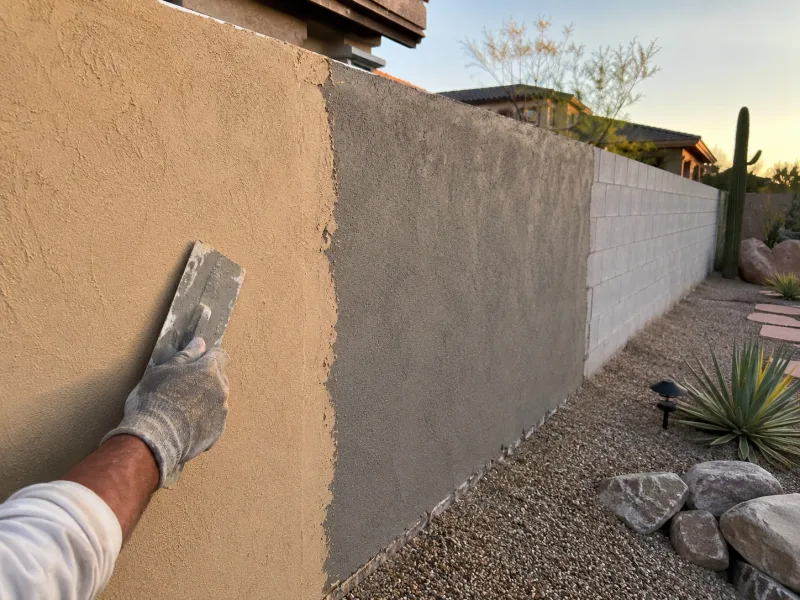
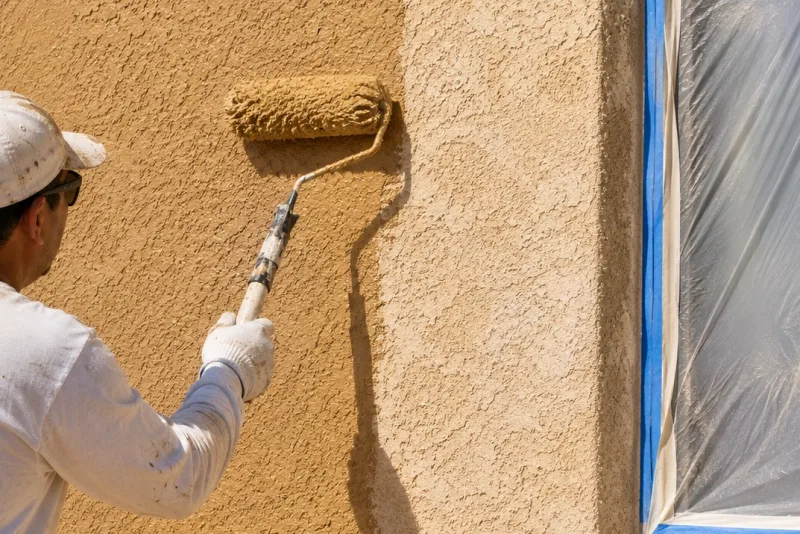
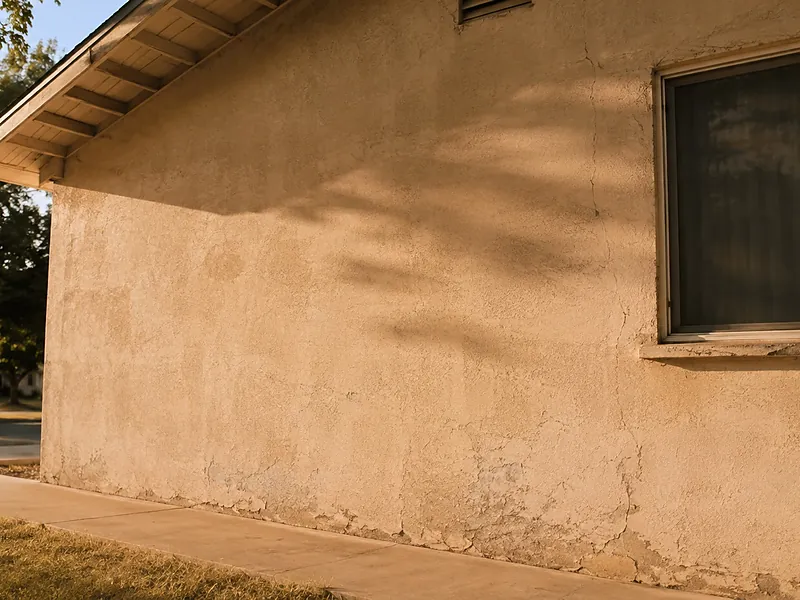
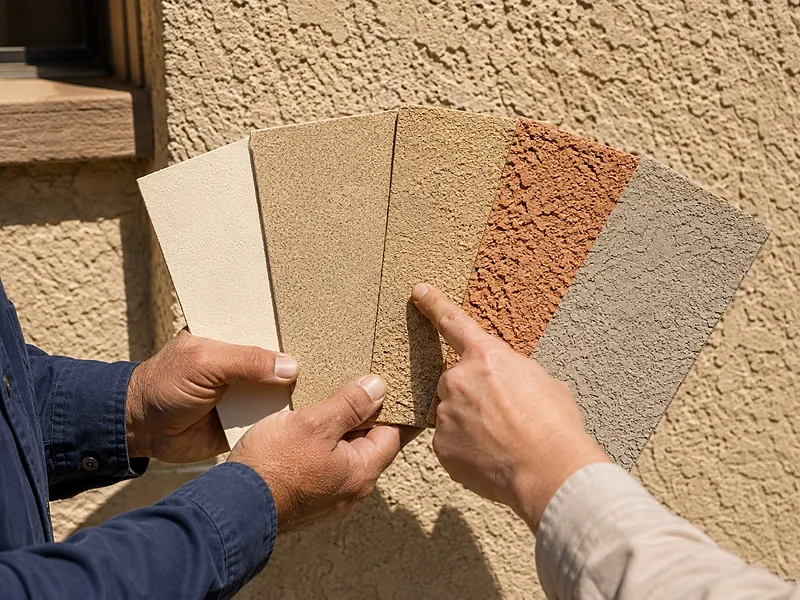
The original town site is the central area, laid out in lots, blocks, and streets, and the community town site runs to roughly 1,300 acres. Pioneer homes built by early settlers are still in use there. We recoat an old wall by checking the existing plaster, repairing loose or damaged areas, and applying a new finish that gives you an even color and texture without removing sound plaster that can remain in place.
The East End: Tying an Addition Into an Existing Wall
The east end lies between the original town site and the forest boundary. When new work meets an existing wall, we place a control joint at that boundary. A control joint is a planned break in the plaster, and ASTM C1063 calls for one between dissimilar construction. An addition sits on its own footing and moves on its own, so the plaster is deliberately broken there instead of being carried across the join.
The Meadows Along the River: Damage at the Base of the Wall
About 550 acres of meadow run through the center of the valley, sub-irrigated by the Santa Clara River, with a high water table under much of it. At the base of a plaster wall, the weep screed is what drains that ground water back out. IRC R703.7.2.1 places it at least 4 inches above bare earth, or at least 2 inches above a paved surface. Built-up soil or gravel against that edge is the first thing we check.