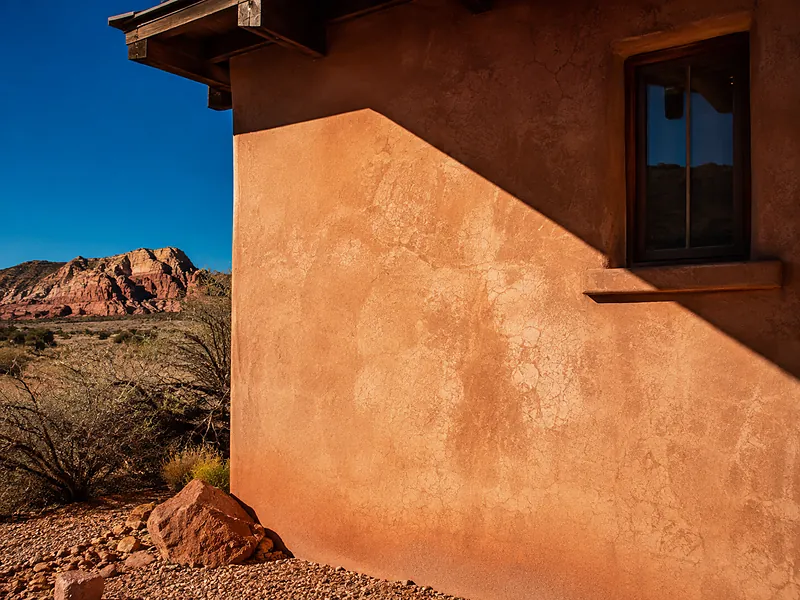
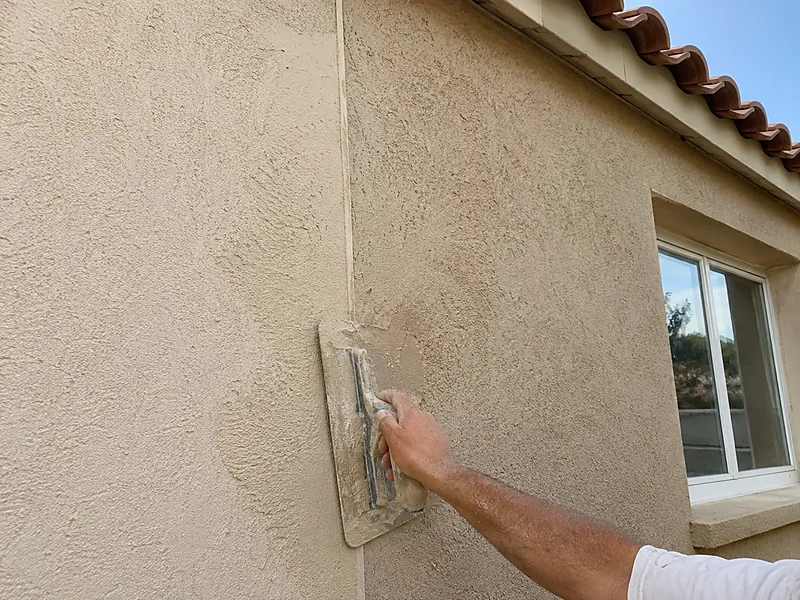
Pheasant Glen: Crack and Sealant Work on Thirty-Year-Old Plaster
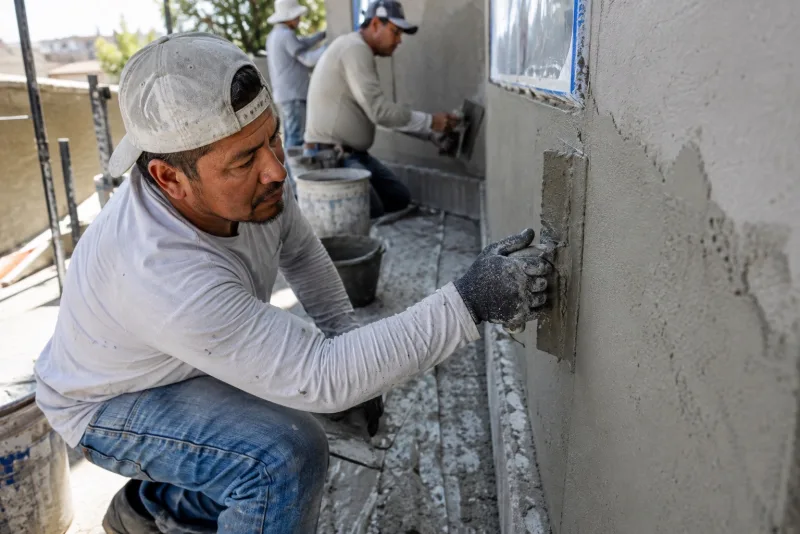
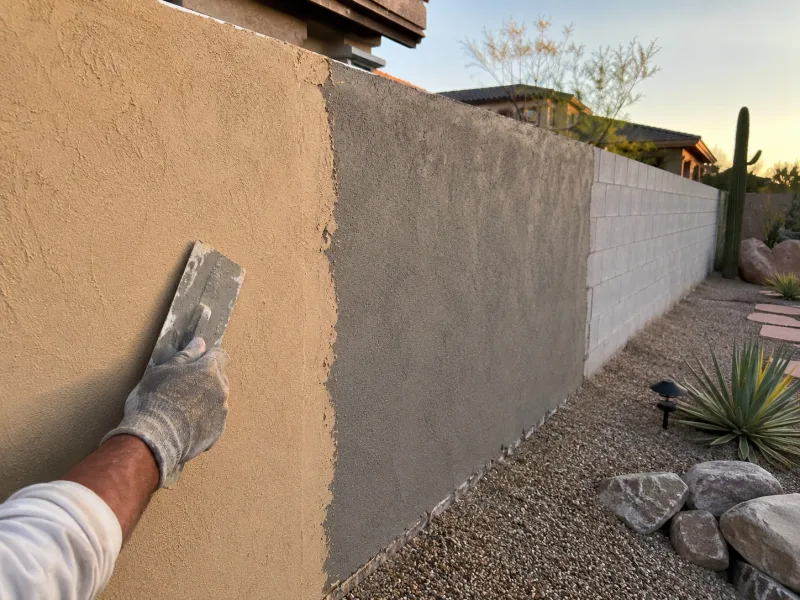
Pheasant Glen streets filled in through the 1990s, and the largest group of houses was finished in 1995 and 1996. Thirty-six houses in that group have cement plaster, so many calls begin with tired sealant at the openings and movement showing at the joints. Your next-door house may be the same age, but its sun-facing wall can look different from yours.
Hillside Terrace: Resurfacing and Recoating a Faded Elevation
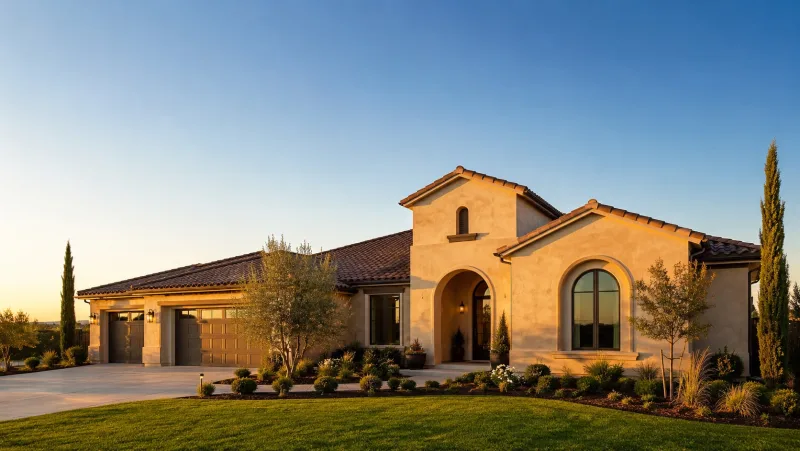
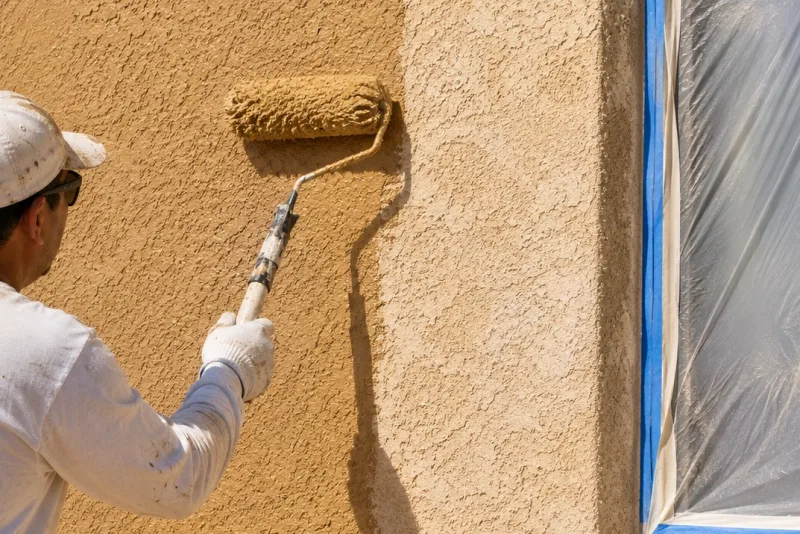
Hillside Terrace is mostly single-story houses built from the early 1990s through the mid 2000s. One house on the street is not plaster; the rest are. The houses average around 1,360 square feet, so the long, low walls put much of the surface on one or two elevations. Here, the work is usually a whole sun-facing side rather than a small patch.
Crestview: Removal and Replacement Where a Patch Will Not Hold
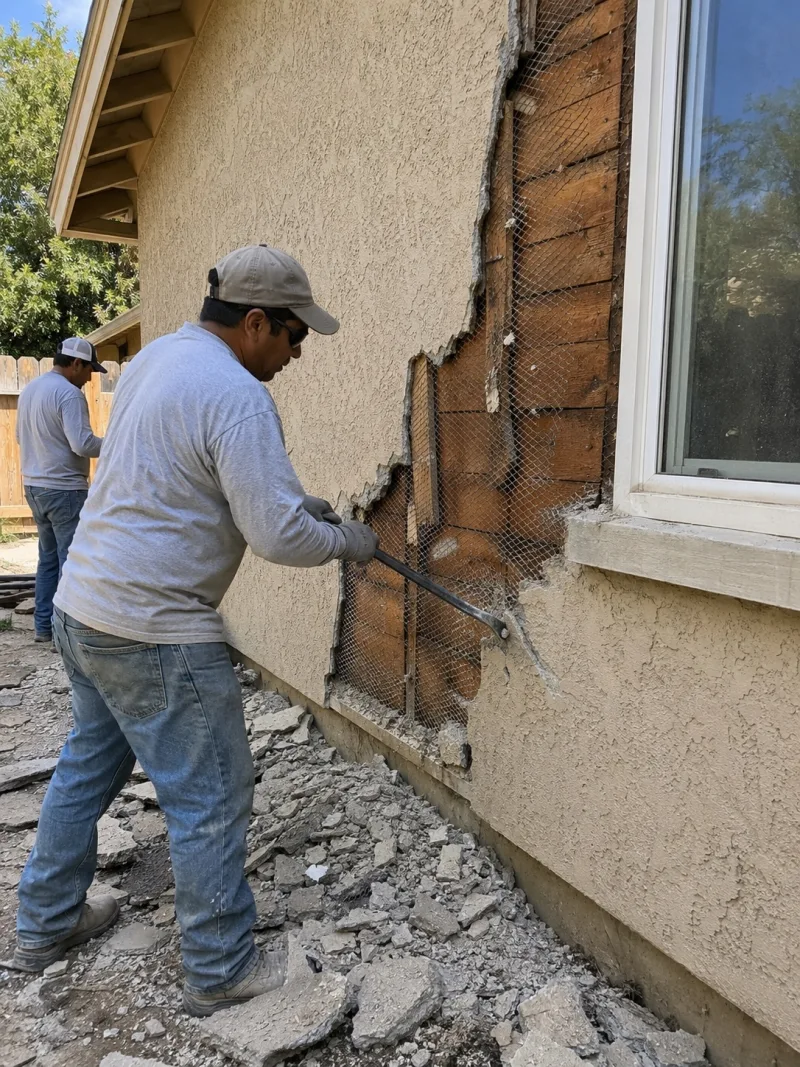
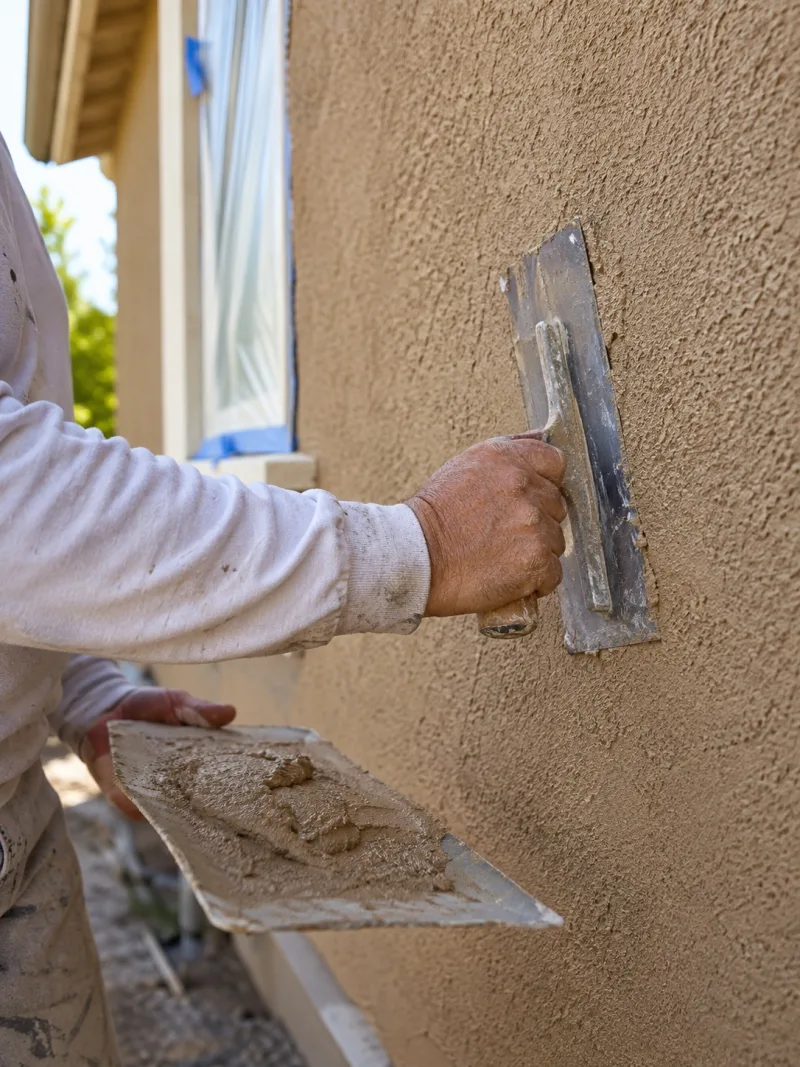
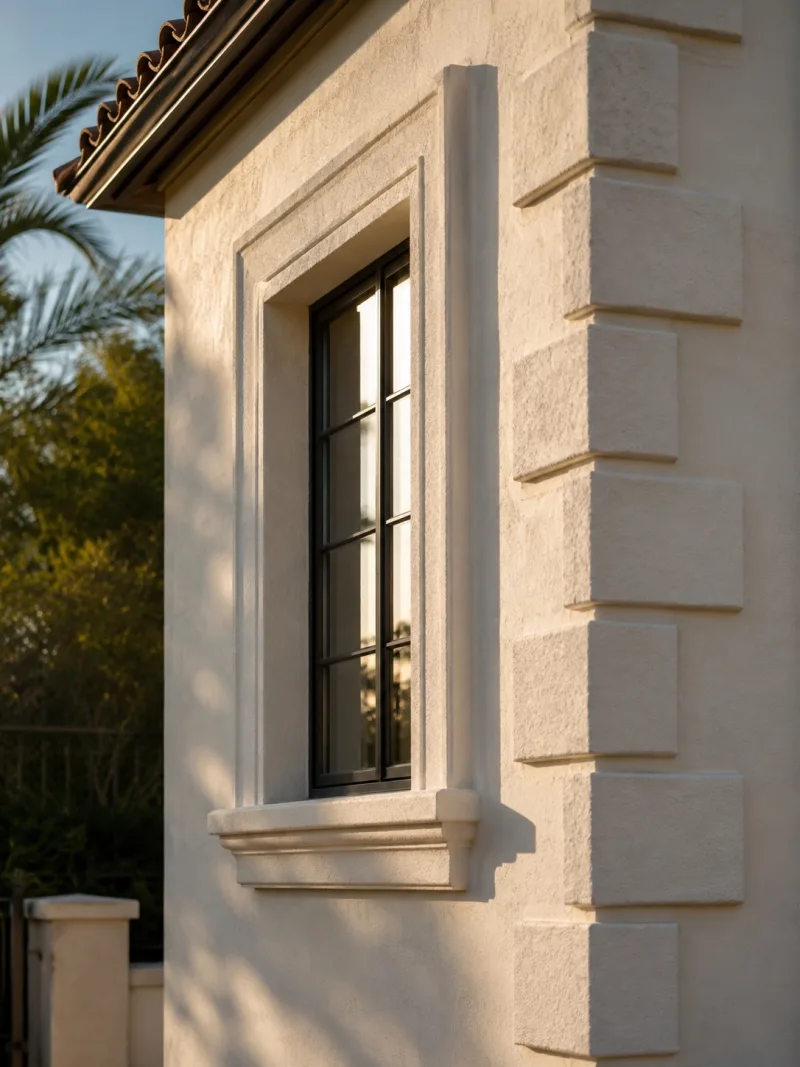
Crestview mixes older and newer houses, with construction dates from 1977 through 2010. Cement plaster sits next to lap siding, overlapping boards or panels used as siding, and masonry veneer, a thin brick or stone face over a framed wall. Because the street is mixed, we read the match from your house. On the oldest plaster, the question is whether another patch will hold; when it will not, the plaster and lath come off and the sheathing can be seen open.
Cottonwood Hollow: Matching an Addition to a Wall Only a Few Years Old
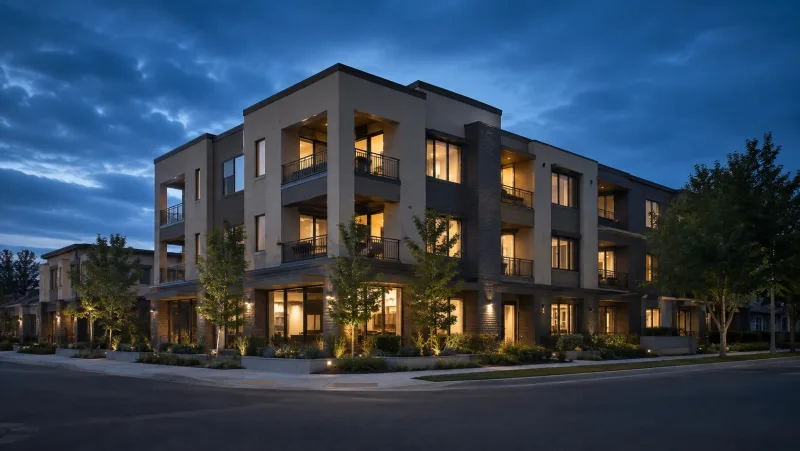
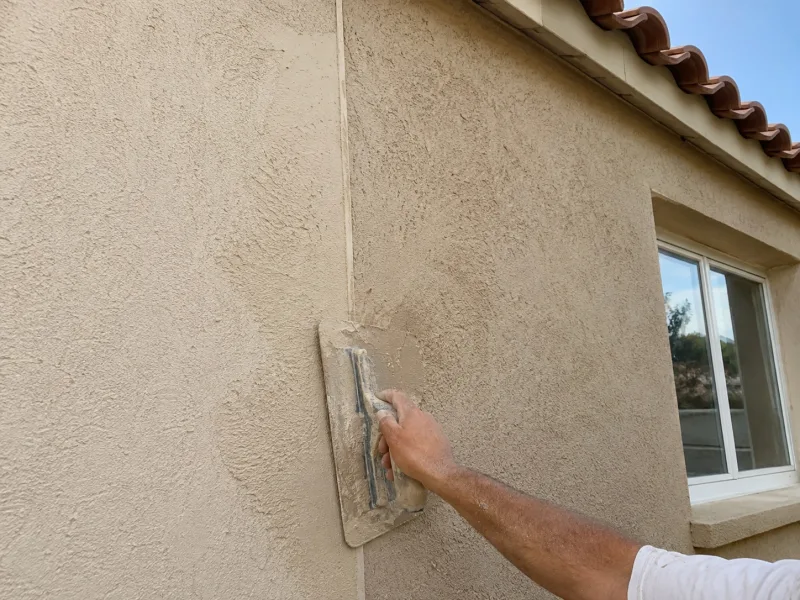
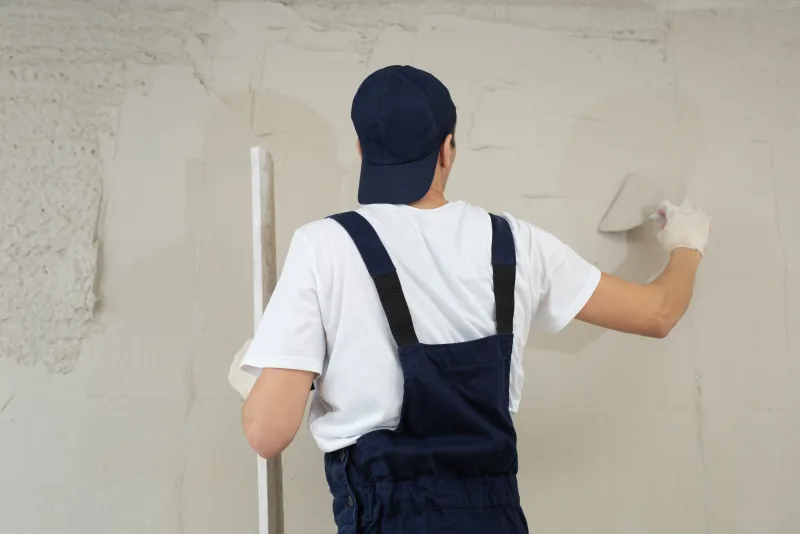
Cottonwood Hollow houses are recent, finished between 2020 and 2022, and about thirty average roughly 2,080 square feet. Matching an addition means coating the new wall so it meets the existing wall without leaving a visible stop line. Because those walls are barely weathered, color is often easier to match than texture, so we plan the join where the wall turns. The sealant is still on its first cycle, usually five to ten years.