Zion Park Boulevard and the Central Commercial Zone: Commercial Frontage
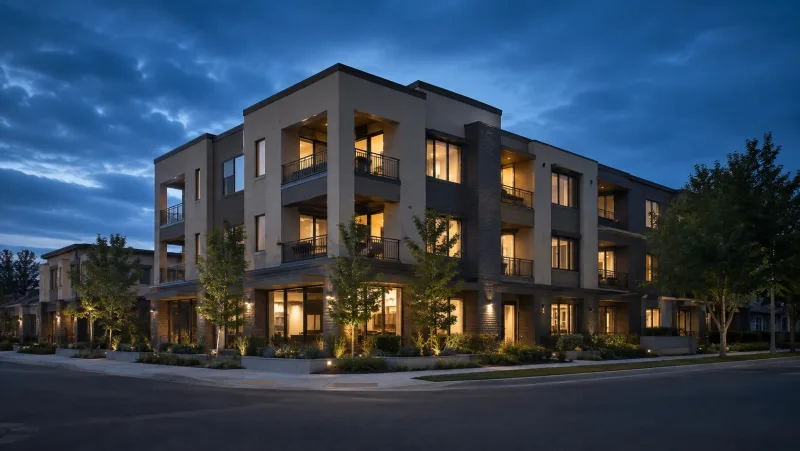
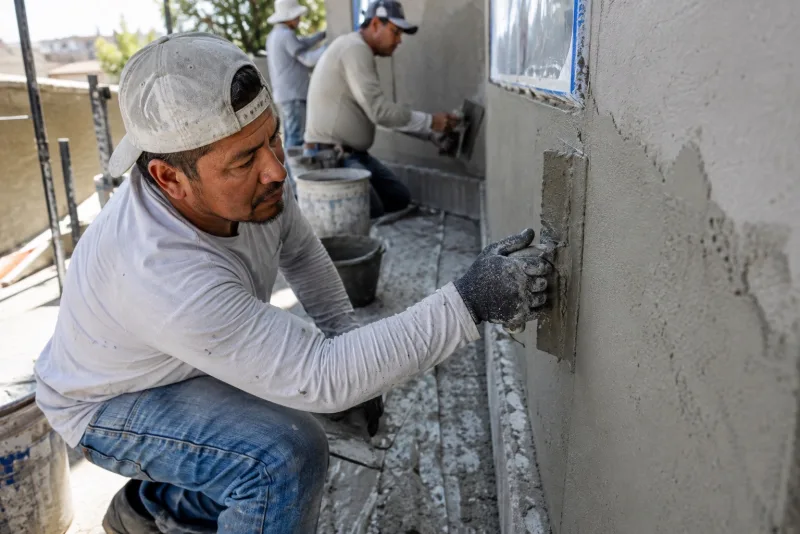
Zion Park Boulevard is the downtown core the town's design standards call the Central Commercial zone. Lodging, cafes, and retail buildings put their commercial walls directly on the walking route, so wall work here has to protect the business face as well as the plaster. We plan scaffold staging, deliveries, and parking around visitor traffic because the finish is seen from the sidewalk at arm's length.
On a storefront, you have to decide which face can be opened first and how customers will reach the door while that face is under repair. We keep the surface clean, matched, and usable from close range.
That gives you a working storefront instead of a wall project that takes over the entrance. The repair plan protects the trading day first, then lets the plaster work move along the building face in sections.
Anasazi Plateau: New Builds and Additions Under HOA Rules
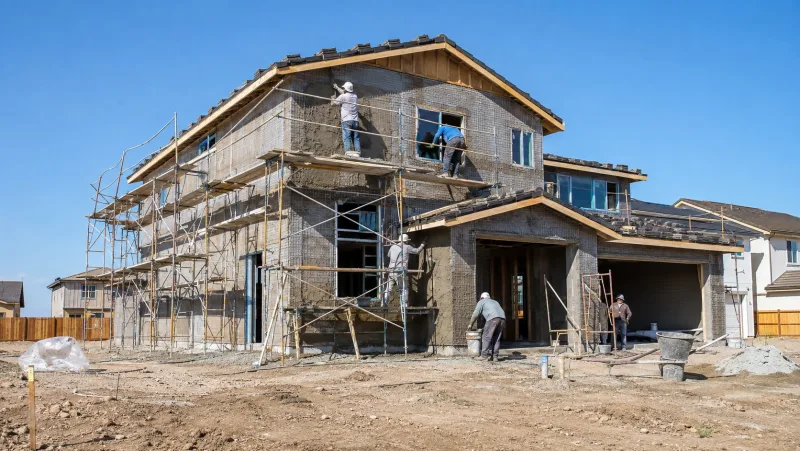
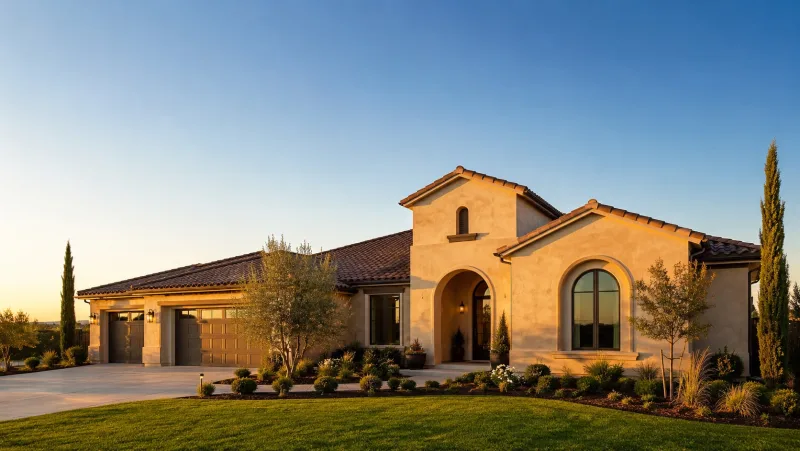
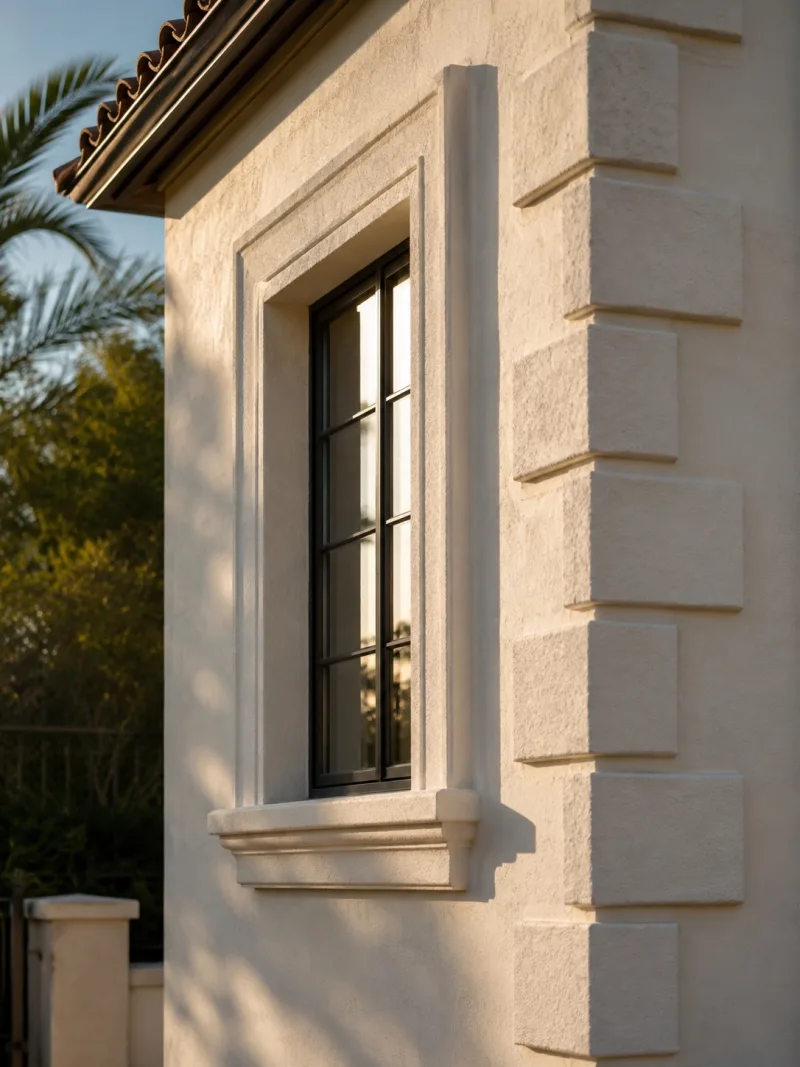
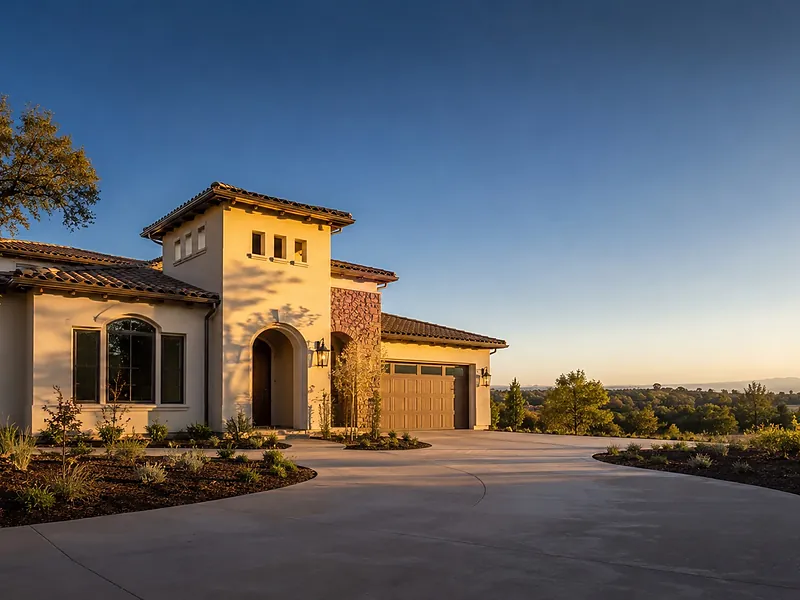
Anasazi Plateau has 77 homesites, a homeowners association, and a conservation easement the Town holds. New construction and additions here start with a wall that has not yet met the old finish, so the plaster plan has to cover new corners, trim, color, and the point where new work meets existing work.
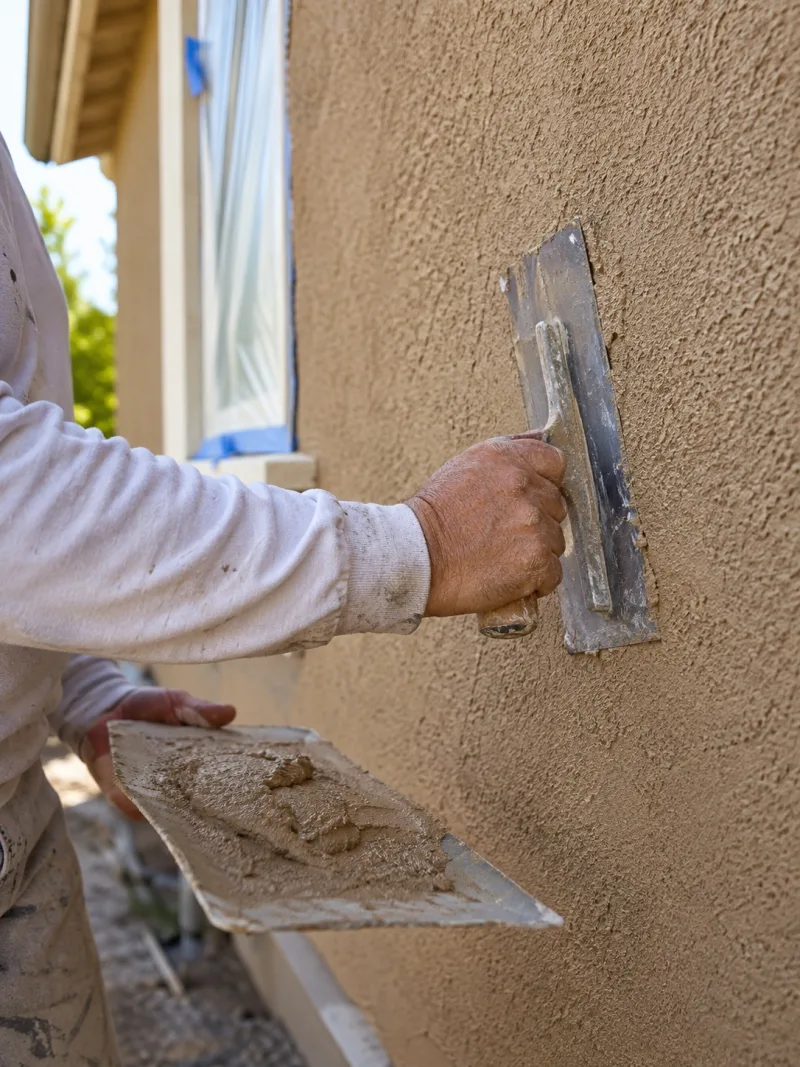
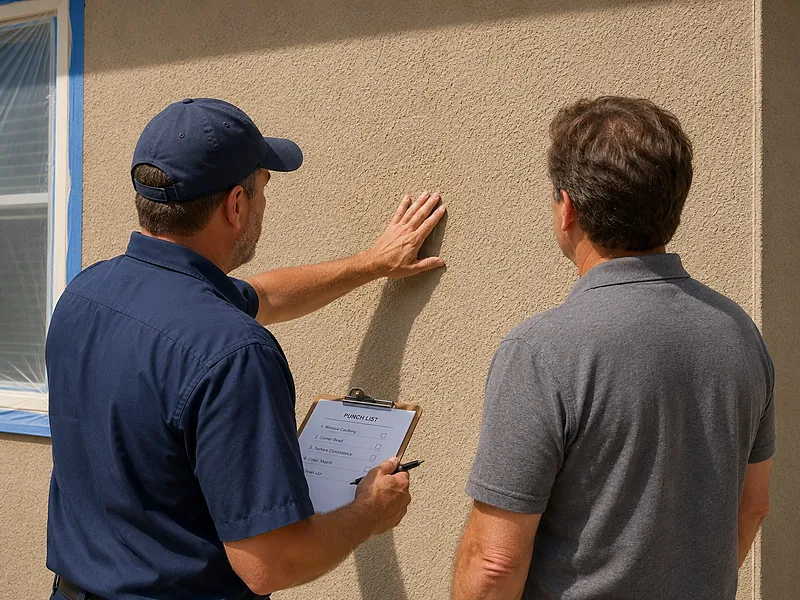
You need the new wall drawn far enough for the finish decision to be clear before plaster starts. We set the plaster edges and texture around that approved look, while the association decides its own approvals, the town decides its own approvals, and we do not grant either one. That early choice keeps the new corner or addition from being plastered in a color or texture that has to be changed later.
Balanced Rock Hills: Repair Where the Ground Has Already Moved
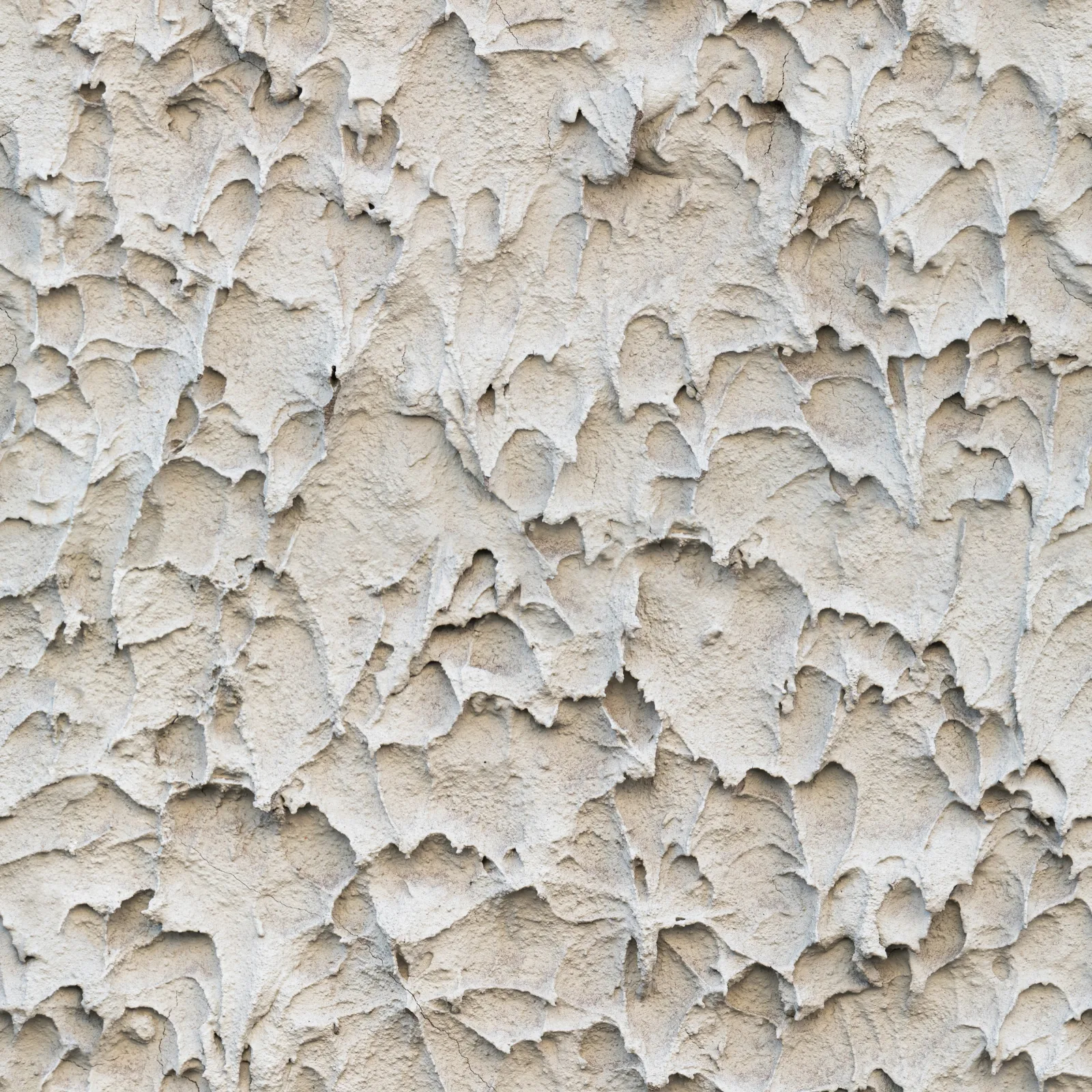
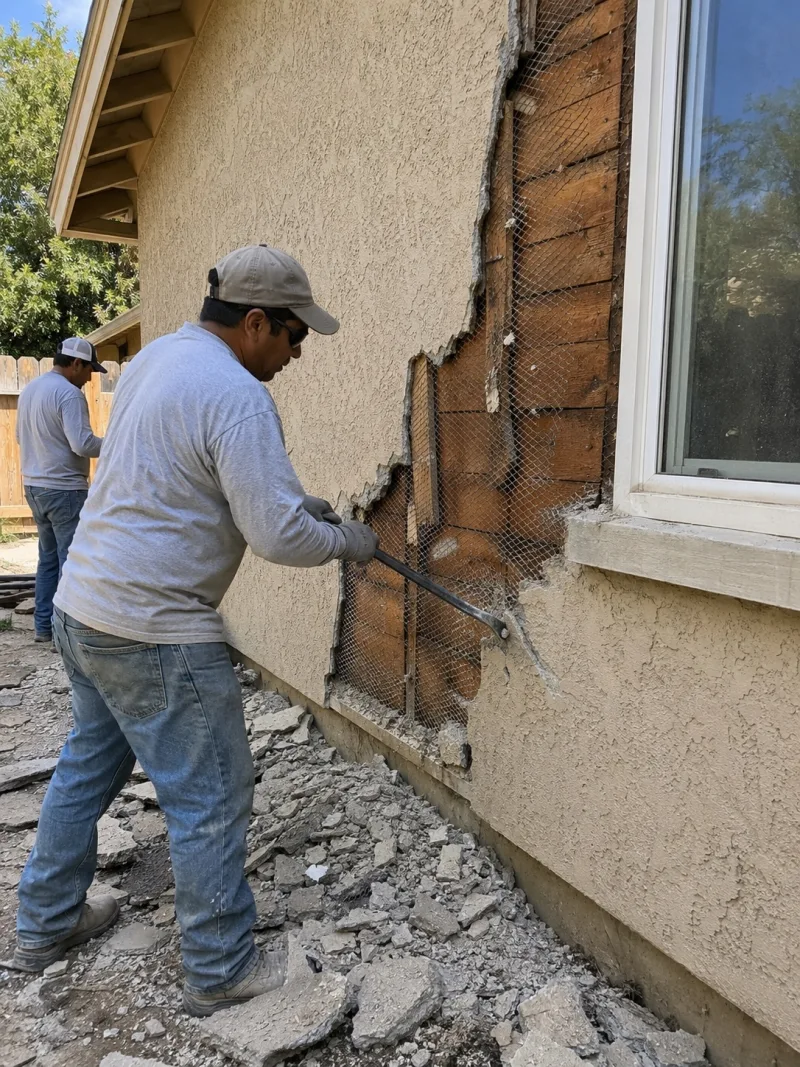
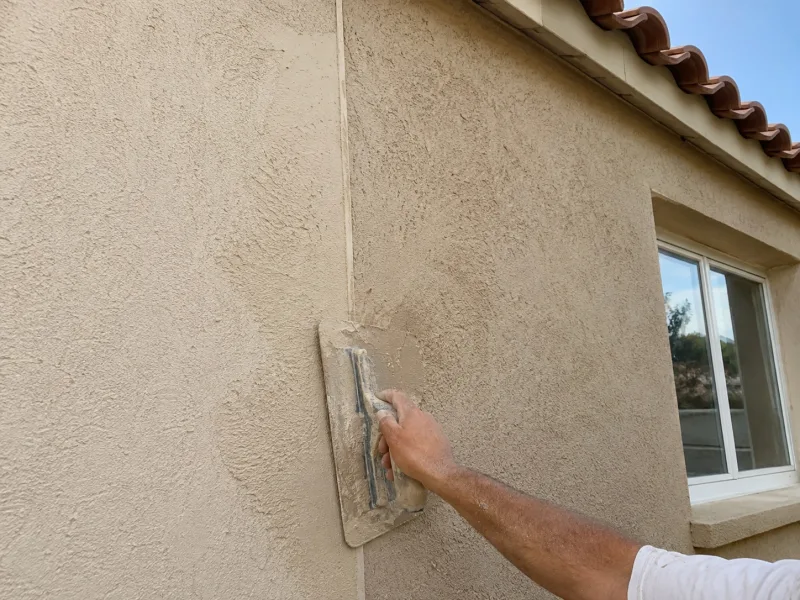
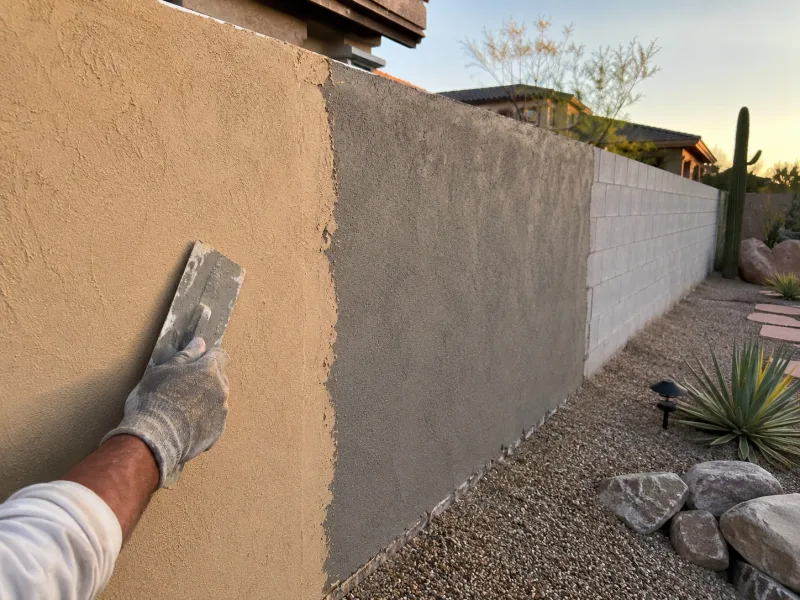
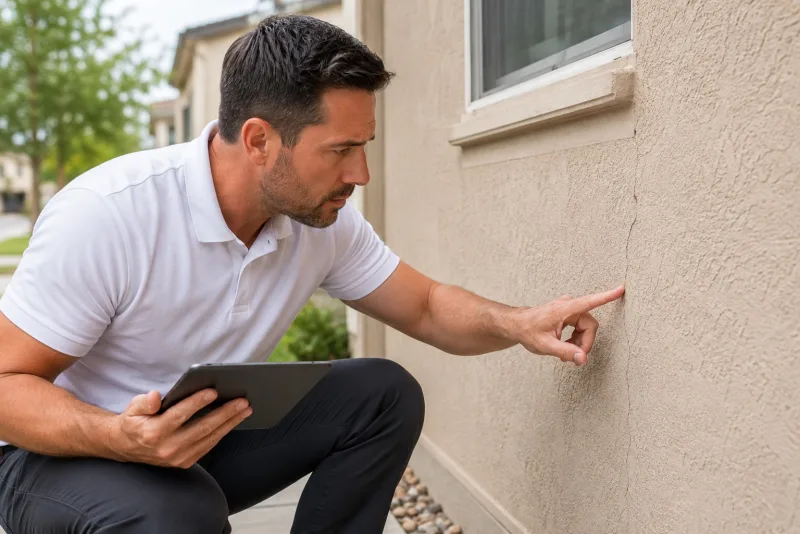
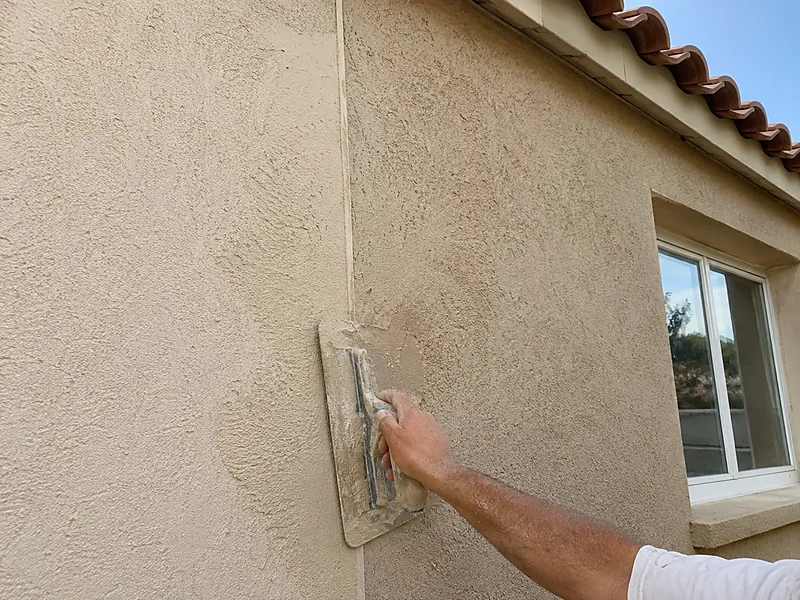
Repair work in Balanced Rock Hills starts with the failed area and the weathered surface around it. Older houses can have color that has shifted over time, and raking canyon light can expose a patch that is only nearly matched. We shape the repair edge so the patch can stop inside the damaged area when the surrounding plaster is sound.
You decide whether the wall needs a small blended patch or a larger face repair after seeing how far the old color and texture have drifted. That choice keeps the repair tied to the wall you have, rather than forcing a larger surface change before the existing finish has been judged. It also keeps the budget tied to visible need.