The Platted Subdivisions Off Highway 18: Repair and Recoating
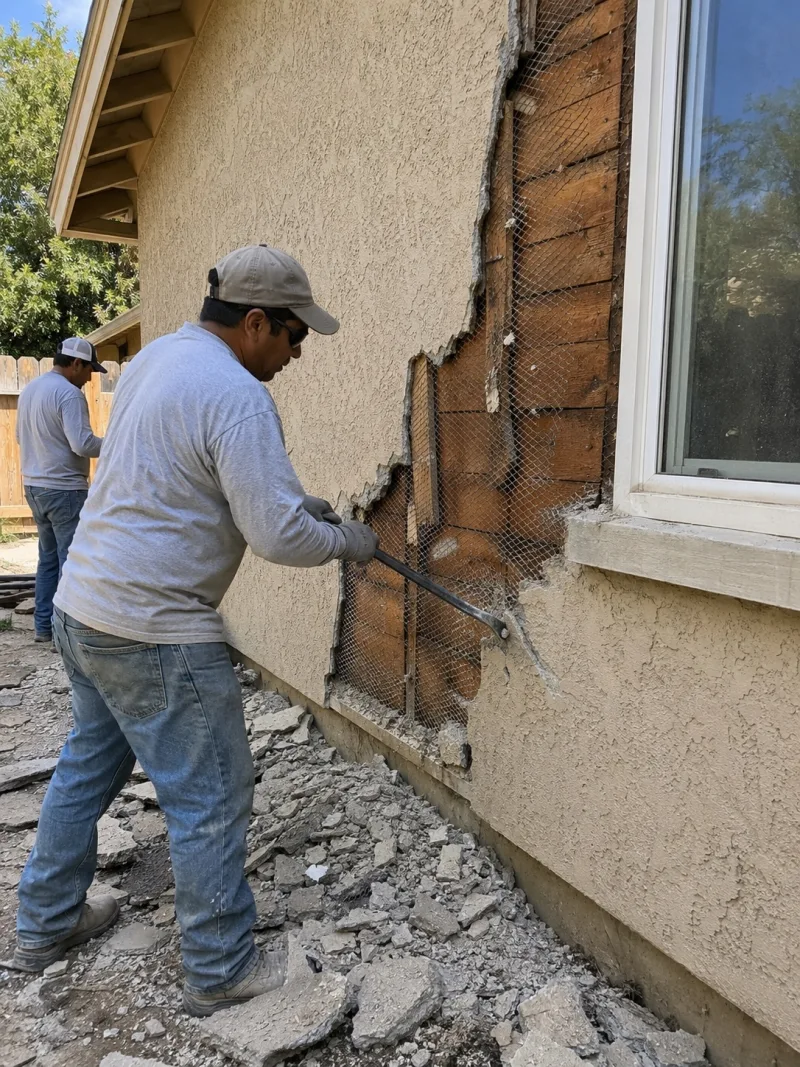
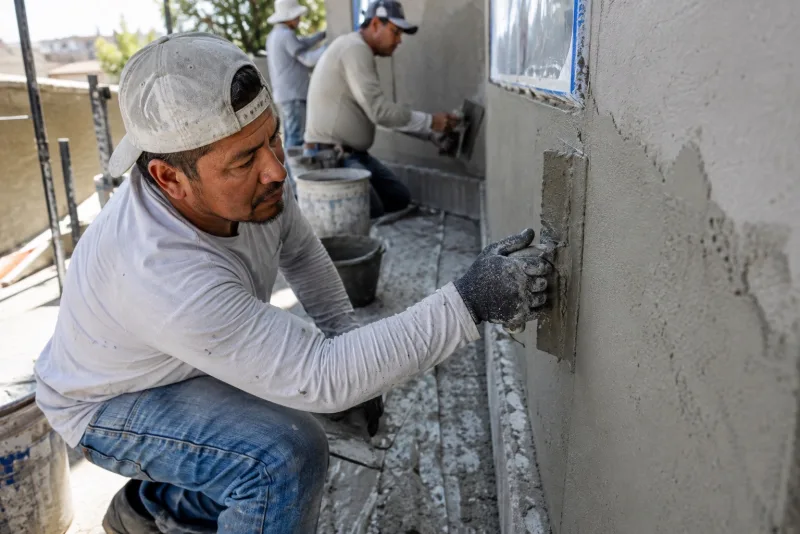
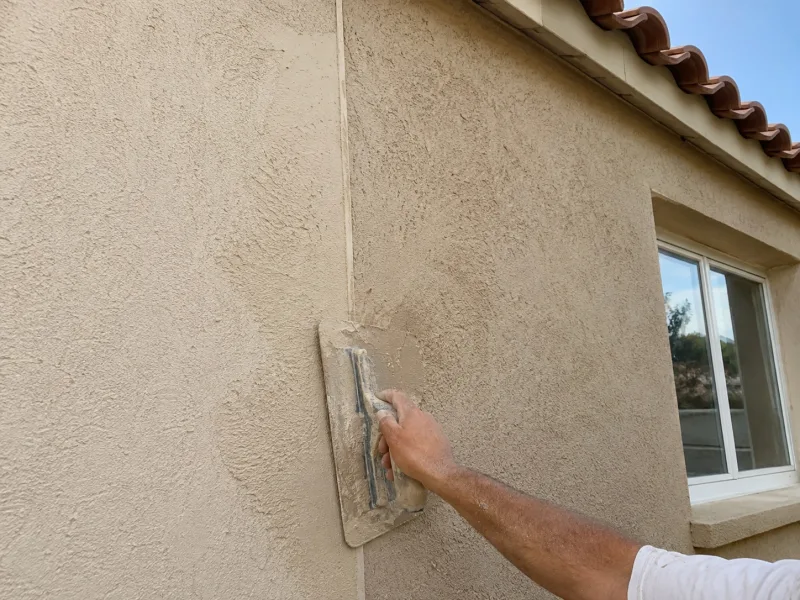
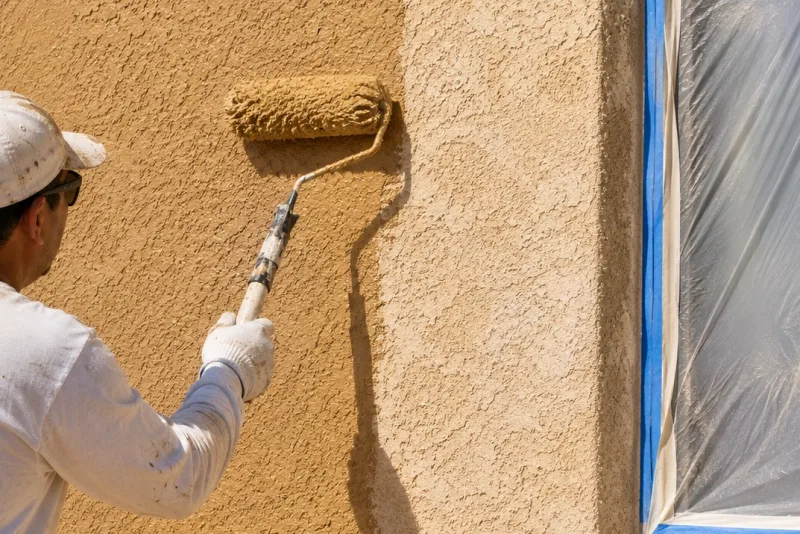
The main development is the platted ground off State Highway 18, where the county records nine recorded plats and 378 platted lots, with the first recorded in January 1975. These are the oldest houses in the community, so we look for earlier coats and previous patch work before repair or recoating. That check tells you whether the surface can be renewed or whether the old patch has to be opened.
The Low Hills East of the Main Development: Installation and Whole Elevations
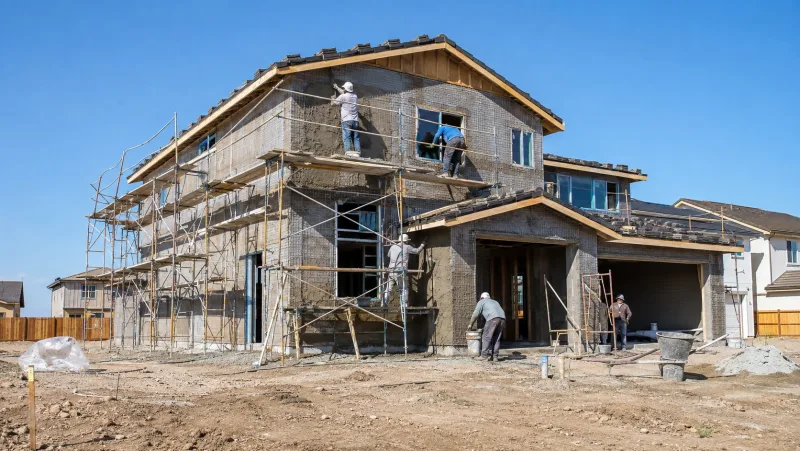
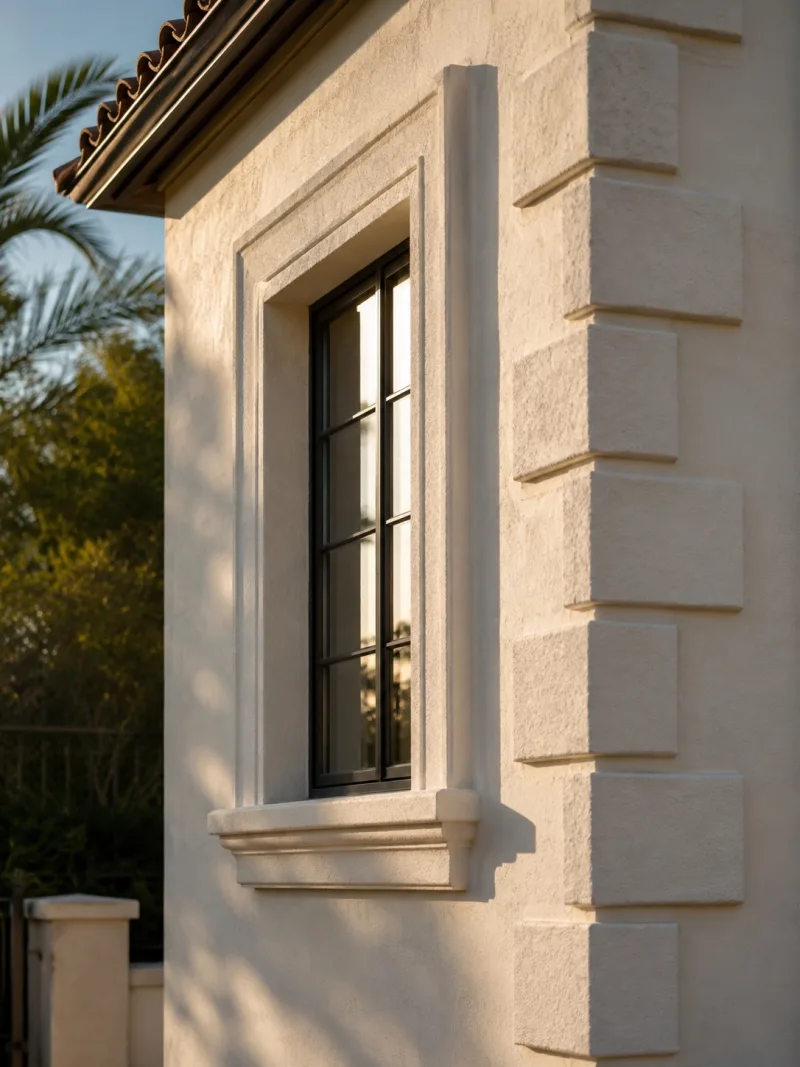
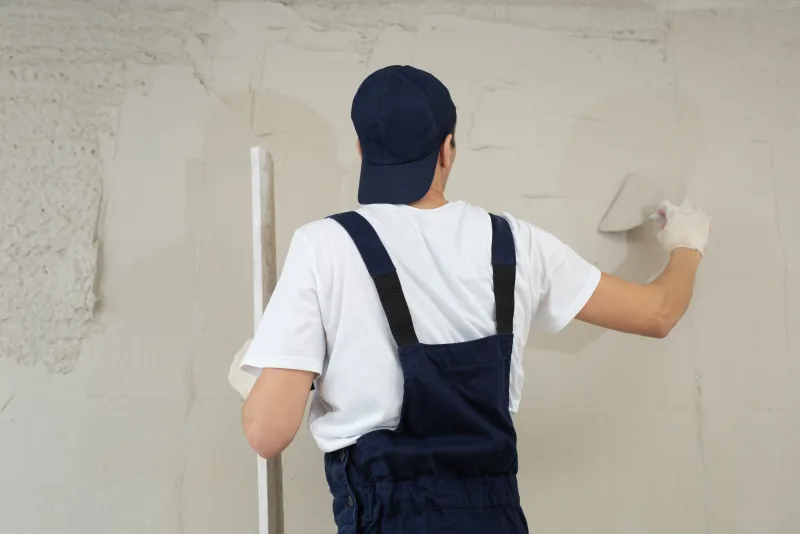
Scattered houses sit on the low hills east of the main development rather than in a platted grid. One elevation, meaning one face of your house, can weather ahead of the others because it sits more exposed. When that happens, owners more often need whole-elevation replacement or new installation than patching. We price that face as its own wall, protect the openings on that side and tie the new finish back into the corners.
The North End Toward Dammeron Valley: Block Walls and Outbuildings
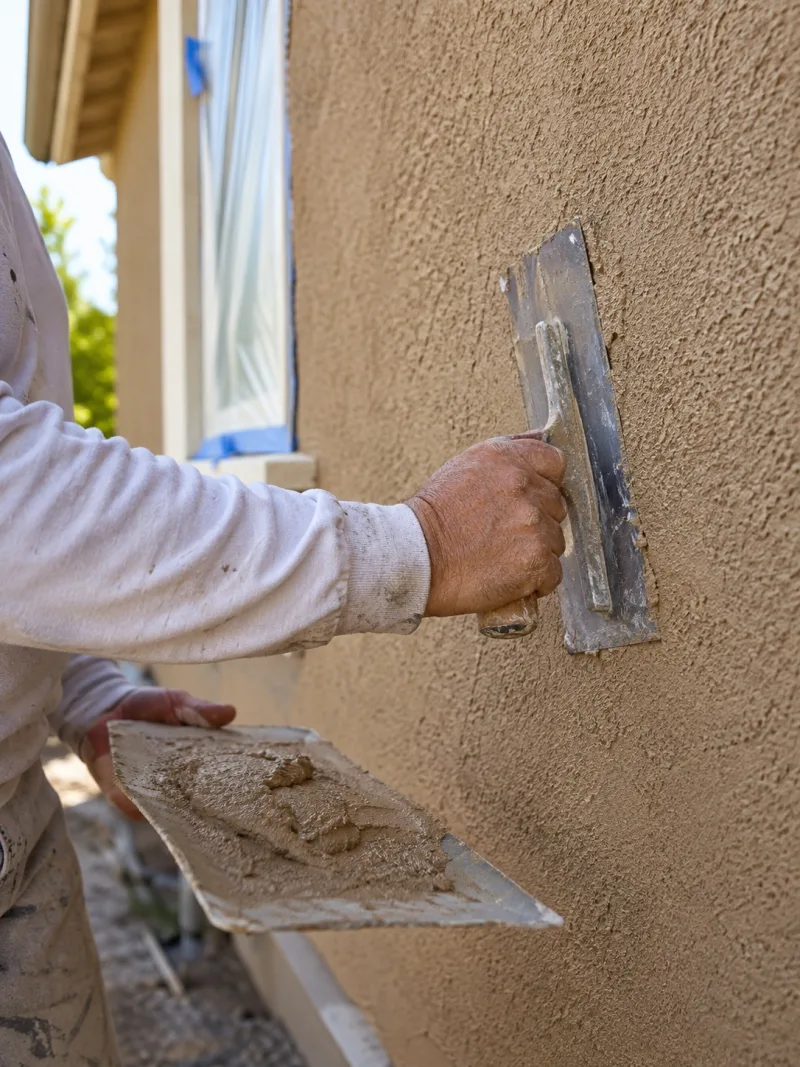
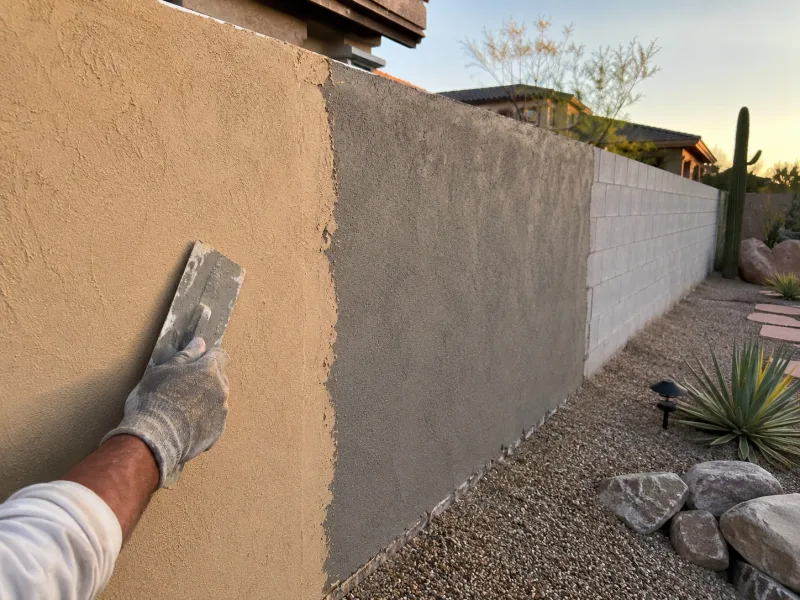
Development began at the north end on the old ranch, where stables and a bunk house were built in the late 1950s. Barns, pen walls and equipment enclosures on acre-plus lots send us more concrete masonry unit work and surface preparation than house-wall work. We clean and prepare those masonry surfaces so the plaster has a sound base.
The South End Toward the Snow Canyon Boundary: Grade and the Bottom of a Wall
The south end is where the valley drains. The valley once had no outlet for storm runoff, the outlet was later breached into the lava rocks at the southern end, and flooding remains a problem in places.
Where water stands near your wall, the bottom fails first. We check grade, the level of soil or paving against the wall, along with splash-back from water hitting the ground. We also check the base course, the lowest run of wall material, and the weep screed, the metal strip at the bottom of stucco that lets trapped water leave the wall.